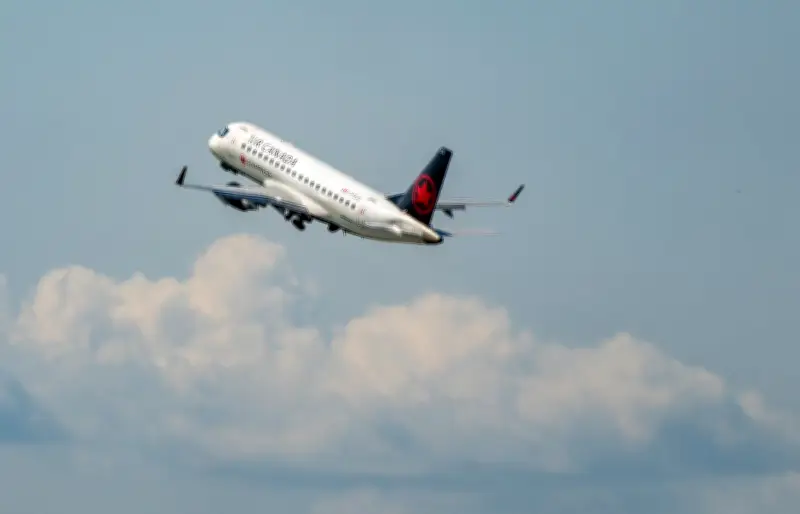
Major airlines, including Air Canada, are refusing to lower ticket prices even as jet fuel costs have fallen, blaming robust summer travel demand for their pricing decisions. The stance comes as consumers face continued high airfares amid a busy travel season.
Fuel Costs Drop, But Fares Stay High
Jet fuel prices have decreased significantly in recent weeks, yet airlines have not reduced fares accordingly. Industry analysts note that carriers are prioritizing profit margins over passing savings to passengers, leveraging strong demand for summer travel. Air Canada, in particular, has maintained its pricing strategy, citing near-full flights and limited capacity.
Consumer Impact and Industry Response
Travelers are feeling the pinch, with many questioning why fares remain elevated. According to a spokesperson for Air Canada, “We adjust pricing based on market conditions, and current demand supports our fare levels.” The airline industry as a whole is expected to post strong second-quarter earnings, partly due to sustained high ticket prices.

Broader Economic Context
The decision to keep fares high comes as other sectors see price adjustments. For example, retail gasoline prices have fallen in response to lower crude oil costs. However, airlines argue that their pricing is driven by supply and demand dynamics rather than fuel costs alone. The Canadian Press reports that this trend is consistent across North American carriers.
Outlook for Travelers
With summer travel continuing at a brisk pace, experts suggest that significant fare reductions are unlikely until demand softens in the fall. Travelers are advised to book early and look for promotions, though widespread price drops are not anticipated in the near term.