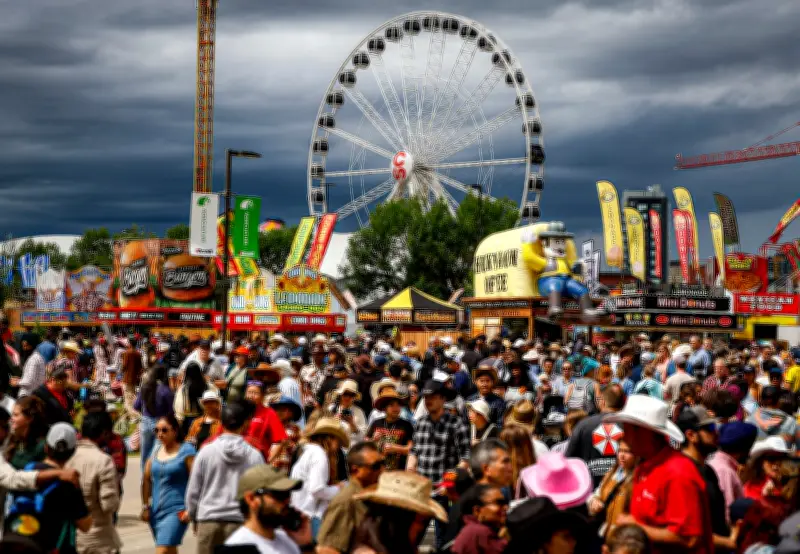
Storm clouds gathered over the crowds at the Calgary Stampede in Calgary on Sunday, July 5, 2026, as visitors navigated the challenge of balancing splurges and savings amid high costs. The annual event, known for its rodeo, midway, and cultural exhibitions, drew attendees who were more conscious of their spending this year.
Visitors Adapt to Rising Expenses
Many attendees reported cutting back on certain items, such as food and souvenirs, while still prioritizing experiences like rides and shows. According to a report by Kathy Le, some families set strict budgets to avoid overspending, with one visitor noting that they brought snacks from home to save money.
The Calgary Stampede, a major tourist attraction, has seen increased costs for vendors and attendees alike due to inflation and higher operational expenses. Despite this, the event remains popular, with many visitors expressing a willingness to pay for the unique experience.

Economic Pressures on Event Spending
The trend reflects broader economic pressures facing Canadians, as the cost of living continues to rise. A recent survey indicated that 60% of Canadians are cutting back on discretionary spending, including entertainment and travel. The Stampede, however, continues to attract large crowds, with organizers reporting strong ticket sales.
One attendee commented, “We’re still having fun, but we’re more careful about where our money goes.” This sentiment was echoed by others who opted for free activities like watching the parade instead of paying for midway games.
Local Businesses and the Stampede Economy
Local businesses also felt the impact, with some offering discounts and promotions to attract cost-conscious visitors. A food vendor noted that while sales were steady, customers were buying smaller portions or sharing meals. The Stampede’s economic impact on Calgary is significant, generating an estimated $540 million annually, but rising costs may shift spending patterns.