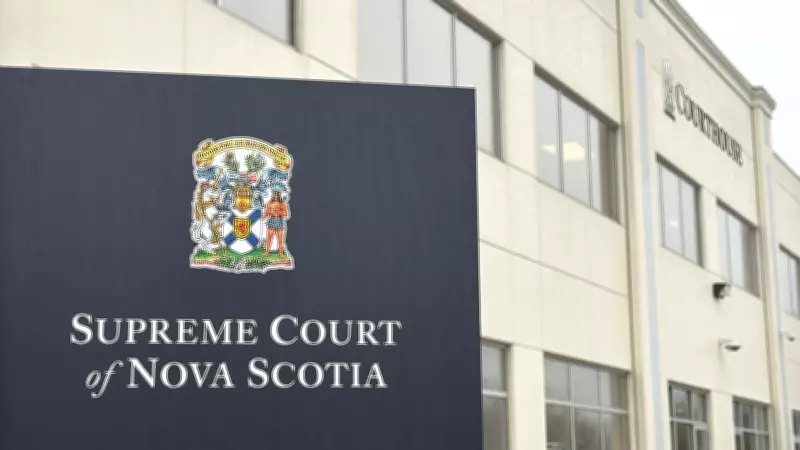
The Supreme Court of Nova Scotia has sentenced a woman to four years in prison after she fraudulently received $8,000 by falsely claiming that her daughter had died. The case, which drew attention for its elaborate deception, was heard in a Halifax courtroom on May 22, 2026.
Details of the Fraud
The woman, whose identity has not been disclosed due to legal restrictions, submitted false documentation to support her claim of her daughter's death. Based on these documents, she received $8,000 from a government program designed to assist families in the event of a child's death. An investigation later revealed that the daughter was alive and well, leading to charges of fraud and forgery.
Court Proceedings
During the sentencing hearing, the Crown argued that the woman's actions were premeditated and exploited a system meant to provide support during tragic circumstances. The defense cited personal hardships and mental health challenges as contributing factors. Justice Patricia Williams of the Supreme Court of Nova Scotia emphasized the seriousness of the offense, stating that such fraud undermines public trust in social support systems.

Sentencing and Impact
In addition to the four-year prison term, the court ordered the woman to repay the $8,000 and imposed a 10-year ban from applying for any government benefits. The daughter, who was unaware of the fraud, expressed shock and disappointment but declined to comment further. The case has prompted calls for stricter verification processes for death claims.
Reactions and Broader Implications
Social services advocates have noted that while fraud cases are rare, they can divert resources from genuine claimants. The Nova Scotia Department of Community Services stated it is reviewing its procedures to prevent similar incidents. The woman's lawyer indicated that an appeal is being considered.