The internet has a new favorite food: ube, the vibrant purple yam from the Philippines. But behind the scenes, the business of buying ube is complex and secretive, involving a network of suppliers, importers, and distributors who navigate a maze of regulations, quality control issues, and market demands.
The Rise of Ube
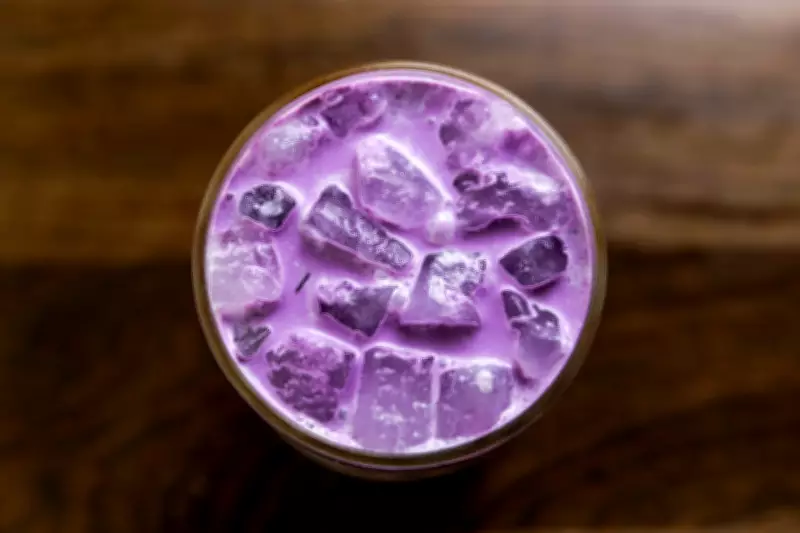
Ube has exploded in popularity in recent years, appearing in everything from lattes and donuts to ice cream and cakes. Its striking color and subtly sweet, nutty flavor have made it a hit on social media platforms like Instagram and TikTok, driving demand far beyond traditional Filipino communities.
A Secretive Supply Chain
Despite its popularity, the ube supply chain remains opaque. Many suppliers operate with little transparency, guarding their sources and trade secrets closely. Importers face challenges such as inconsistent quality, seasonal availability, and strict agricultural regulations. Some buyers travel directly to the Philippines to establish relationships with farmers, while others rely on middlemen who may not always be reliable.

"It's a very closed network," says one industry insider. "You have to know someone who knows someone to get the good stuff."
Quality and Authenticity
As demand grows, so does the risk of counterfeit or low-quality ube products. Some suppliers mix ube with other ingredients like taro or food coloring to cut costs, disappointing chefs and home cooks alike. Authentic ube has a distinct taste and texture that is hard to replicate, making trust between buyers and sellers crucial.
The Future of Ube
Despite the challenges, the ube trend shows no signs of slowing down. Major food companies are exploring ube-flavored products, and farmers in the Philippines are expanding cultivation. However, the secretive nature of the business may need to evolve to meet the demands of a global market. Transparency and sustainability could become key selling points as consumers become more conscious of where their food comes from.
For now, the quest for the perfect ube continues, with buyers and sellers navigating a world of whispers, handshakes, and hidden networks.