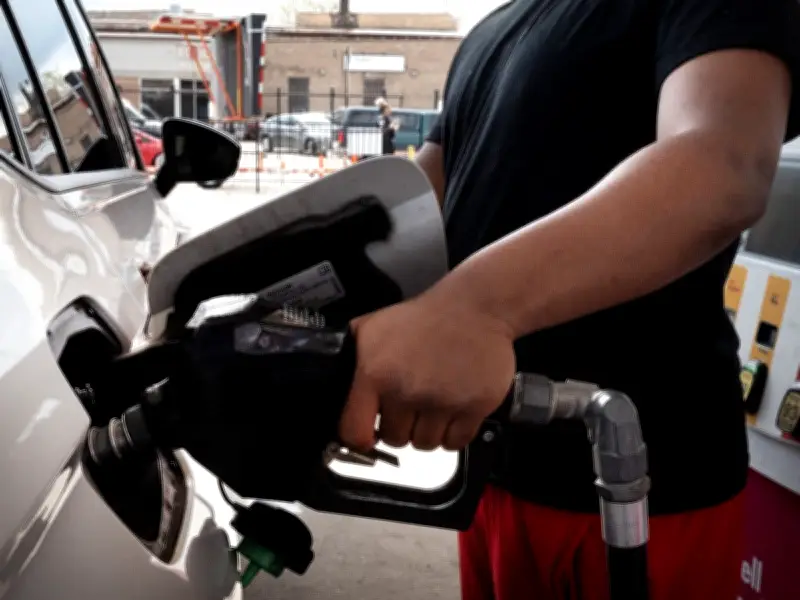
Drivers across the United States, including owners of performance vehicles, are switching from premium to regular gasoline as fuel prices stay elevated. Between June 22 and June 25, daily sales of premium gasoline dropped nearly 5% by volume compared to the average from February, before the Iran war caused a rapid price spike, according to data from fuel cash-back app Upside. Mid-grade sales fell about 2%, while regular-grade sales rose roughly 10%.
Consumer Behavior During High Fuel Prices
The trend mirrors broader consumer behavior: when fuel prices rise, premium gasoline sales often decline as drivers seek savings. "When fuel prices rise, we almost always see premium cannibalized to regular," said Patrick De Haan, head of petroleum analysis at GasBuddy. Drivers who prefer premium but don't need it typically make the switch, he added.
However, even owners of expensive, luxury, or high-horsepower vehicles that require or run better on premium are opting for lower-grade fuel to save money. The energy price spike from the Iran war caught many Americans off guard amid persistent inflation and high consumer costs.

Real-Life Impact: A Mustang Owner's Dilemma
Carlo Santos, a film and TV industry worker in Los Angeles, traded his Tesla Model 3 for a 2024 Ford Mustang in February. The muscle car recommends but does not require premium gas. A week later, the U.S. and Israel attacked Iran, sending fuel costs surging in California, the nation's most expensive fuel market. Santos saw his monthly fuel bill rise to about $900, up from $150 for his Tesla. As a last resort, he mixed regular and premium gasoline for two weeks in May, still costing more. Eventually, he traded the Mustang back for a Tesla. "At almost $1,000 a month, I couldn't reasonably afford to keep that Mustang as a daily commuter," Santos said. He noted there's "something about driving electric that just has no soul."
Automaker Warnings and Long-Term Costs
Luxury auto dealers like Porsche and BMW advise against using a fuel grade lower than the vehicle's minimum requirement. Lower octane fuel can cause an immediate drop in horsepower and fuel efficiency, automakers say, and may lead to engine knocking that risks irreversible damage. Even with prices easing in recent weeks, consumers remain wary of buying higher-end fuel, according to Thomas Weinandy, principal research economist at Upside.