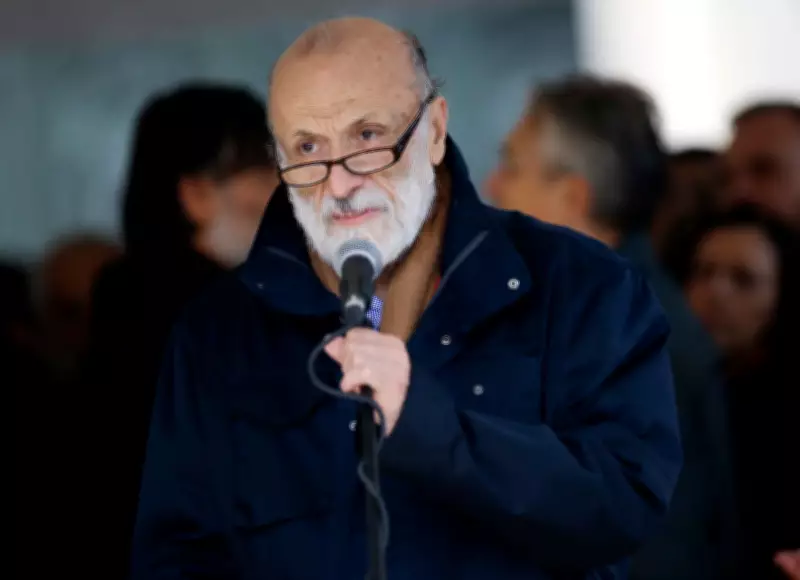
Carlo Petrini, the visionary founder of the Slow Food movement and a global advocate for clean eating, has passed away in Italy at the age of 76. His death marks the end of an era for the food revolution he sparked, which emphasized local produce, sustainable agriculture, and the preservation of culinary traditions.
A Life Dedicated to Food and Culture
Petrini, born in the Piedmont region of Italy, founded the Slow Food movement in 1986 as a response to the opening of a McDonald's near the Spanish Steps in Rome. The movement quickly grew into an international organization that promotes the enjoyment of food while respecting the environment and local economies. Petrini's work earned him recognition as a leading figure in the fight against fast food and industrialized agriculture.
He was known for his passionate speeches and writings, including the book Slow Food: The Case for Taste, which inspired countless individuals to rethink their relationship with food. Petrini also established the University of Gastronomic Sciences in Pollenzo, Italy, to educate future generations about food culture and sustainability.

Legacy and Impact
Under Petrini's leadership, Slow Food expanded to over 160 countries, with millions of members advocating for biodiversity, food education, and the rights of small-scale farmers. His efforts influenced policy changes in Europe and beyond, promoting organic farming and fair trade practices.
Tributes have poured in from around the world, with chefs, activists, and politicians honoring his contributions. Italian Prime Minister Giorgio Meloni called him "a giant of Italian culture and a defender of our gastronomic heritage." Food writer Alice Waters described Petrini as "a true revolutionary who taught us that eating is an agricultural act and a political one."
Continued Influence
The Slow Food movement continues to thrive, with events like the Terra Madre Salone del Gusto in Turin drawing thousands of participants each year. Petrini's vision of "good, clean, and fair food" remains a guiding principle for sustainable food systems worldwide.
He is survived by his family and a global community of food activists who will carry forward his mission. A private funeral was held in his hometown of Bra, where he was laid to rest surrounded by the landscapes he fought to protect.