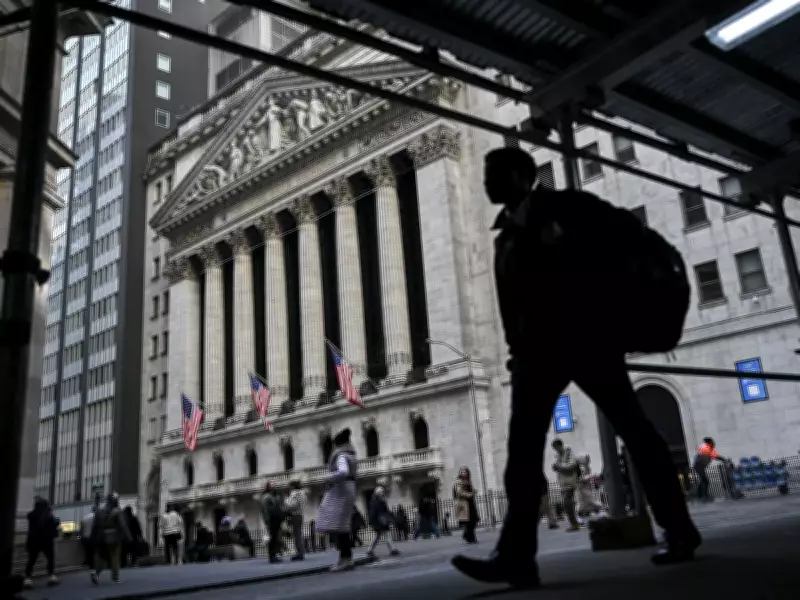
It is becoming increasingly clear that we are operating in a K-shaped economy, where the lived experience of Main Street is diverging sharply from the reality reflected in markets. On one side, consumers are grappling with affordability pressures from housing to lingering inflation, higher tariffs, and growing anxiety around job security as artificial intelligence reshapes the labor market. On the other, a corporate economy is thriving on AI-driven capital spending, resilient profit margins, and equity markets that remain largely indifferent to escalating geopolitical tensions.
The Central Question in the United States
The central question is whether a weakening consumer ultimately tips the economy into recession, especially if commodity and energy prices move higher, or whether a wealthier, asset-owning cohort continues to carry growth, supported by elevated financial markets. What happens in the U.S. is key, not only given its dominance in global capital markets and its disproportionate influence on asset prices and economic conditions but, as the saying goes, when the U.S. sneezes, Canada catches a cold.
Wall Street Is Winning
This cycle continues to be defined by a divergence that appears likely to persist longer than many expected, supported by a wealthy, asset-owning cohort and an unprecedented wave of AI-driven investment that may keep certain segments of the market moving higher. First-quarter earnings were exceptionally strong—one of the best quarters in two decades, according to Deutsche Research—with roughly 84 percent of the two thirds of S&P 500 companies that have reported beating expectations, well above long-term averages. Blended year-over-year earnings growth for the index is running near 27 percent, more than double initial analyst forecasts, while aggregate net margins have climbed to 13.4 percent, the highest level in more than a decade.

Capital spending offers an equally powerful signal. Just four hyperscalers—Amazon.com Inc., Microsoft Corp., Alphabet Inc. (parent of Google), and Meta Platforms Inc.—are guiding toward roughly US$700–$725 billion in combined capital expenditures for 2026, largely tied to data centers, chips, power infrastructure, and AI build-outs. Companies do not commit resources on this scale if they are worried about the next few quarters, and so this long-duration spending is rooted in strategic conviction—for now.
Main Street Is Telling a Very Different Story
However, that strength is coming with growing consequences for Main Street, where affordability pressures are building and weighing on more consumer-sensitive areas of the economy. The core consumer is under increasing strain as affordability erodes, although part of that pressure is being masked by wealthier, asset-owning households, particularly baby boomers, who remain supported by strong markets and continue to spend. That dynamic is helping sustain overall consumption, even as underlying conditions soften.
There are ways investors can shift exposure away from areas most sensitive to strained consumers. For example, focusing on sectors that benefit from AI-driven capital spending, such as technology infrastructure, semiconductors, and energy, can provide growth while reducing reliance on consumer discretionary spending. Additionally, diversifying into defensive sectors like healthcare and utilities may offer stability if the economy weakens further. Investors should also consider international exposure to regions less affected by U.S. consumer strains, and maintain a balanced portfolio with a mix of growth and value stocks to navigate the K-shaped divergence.