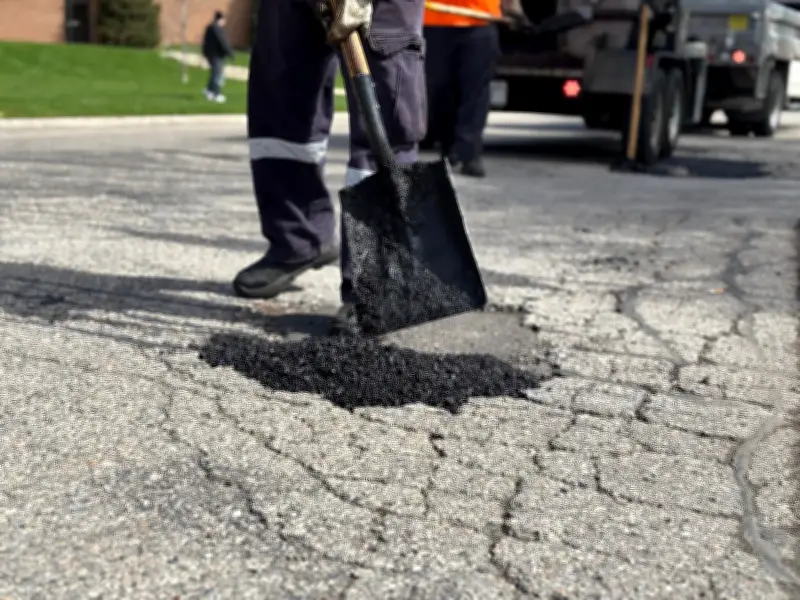
The City of Kitchener is exploring the use of artificial intelligence to detect and analyze potholes, potentially revolutionizing how the municipality manages road repairs. The initiative, announced on June 30, 2026, aims to leverage AI technology to process data collected from vehicle-mounted sensors, enabling more efficient prioritization of road maintenance.
AI-Powered Pothole Detection System
Under the proposed pilot program, city vehicles would be equipped with sensors that capture road surface data. This data would then be analyzed by an AI system to identify potholes, assess their severity, and generate repair recommendations. The system could also predict which potholes are likely to worsen, allowing for proactive maintenance.
According to a city spokesperson, the technology could reduce the time spent on manual inspections and help allocate resources more effectively. The pilot is expected to launch later this year, with results informing a potential citywide rollout in 2027.

Potential Benefits and Cost Savings
City officials estimate that the AI system could cut pothole repair costs by up to 20% by optimizing repair routes and reducing emergency fixes. Kitchener currently spends approximately $2 million annually on pothole repairs, a figure that could decrease with more targeted interventions.
“We are always looking for innovative ways to improve city services,” said a city engineer. “This AI technology has the potential to make our roads safer while saving taxpayer money.”
Community and Expert Reactions
Local residents have expressed cautious optimism about the plan. “If it means fewer potholes and faster repairs, I’m all for it,” said a Kitchener driver. However, some privacy advocates have raised concerns about data collection from city vehicles, though the city assures that the system will only capture road surface data and not personal information.
The initiative aligns with Kitchener’s broader smart city goals, which include using technology to enhance urban living. Similar AI-based pothole detection systems have been successfully tested in cities like Boston and Toronto, where they improved repair response times by 30%.
Next Steps
The city council is expected to vote on funding for the pilot program in July 2026. If approved, the trial will run for six months, with a report on its effectiveness due in early 2027.