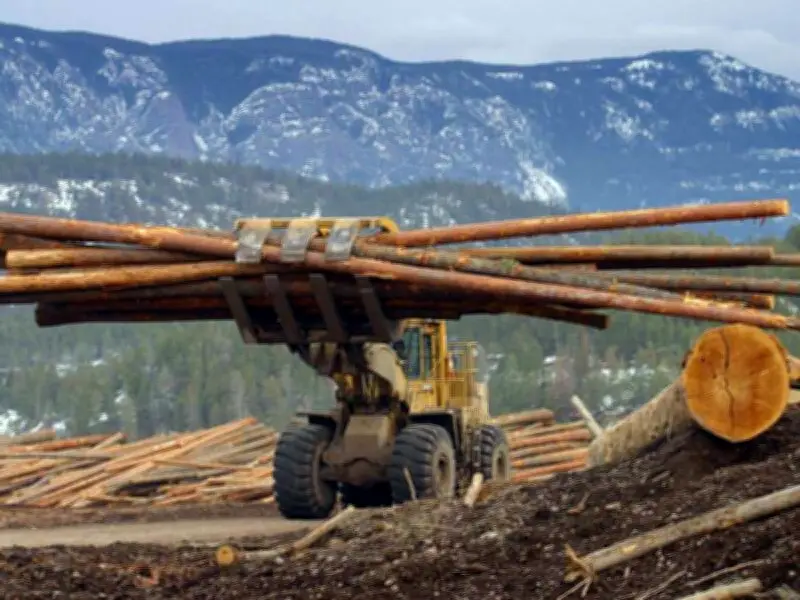
Few trade disputes have had a greater impact on British Columbia than softwood lumber. For nearly four decades, Canada's forest sector has been caught in a recurring cycle of U.S. trade actions, litigation, and uncertainty. Duties are imposed, legal challenges follow, some decisions are overturned, and yet the dispute persists. The names of the cases change, but the outcome is largely the same: uncertainty for businesses, workers, and communities that depend on forestry.
A Rare Opportunity for Change
The upcoming review of the Canada-U.S.-Mexico Agreement (CUSMA) presents a rare opportunity to change that. Trade agreement reviews are not simply technical exercises. They are moments when governments step back, reassess priorities, and address issues that conventional trade processes have failed to resolve. Softwood lumber should be at the top of Canada's agenda.
High Stakes for British Columbia
No province has more at stake than B.C. It produces roughly one-third of Canada's lumber and accounts for approximately 40 per cent of Canada's softwood lumber exports to the United States. Forestry remains a cornerstone of the provincial economy, supporting tens of thousands of direct and indirect jobs and helping sustain hundreds of rural, northern, and Indigenous communities. Yet the sector is facing unprecedented pressures.

Timber supply has been reduced by wildfires, insect infestations, and changing forest management requirements. Operating costs have increased. Mills have closed. Communities have experienced job losses and economic uncertainty. At the same time, producers continue to face significant U.S. trade barriers that further undermine competitiveness and investment.
Escalating Trade Barriers
Today, Canadian lumber exports are subject not only to anti-dumping and countervailing duties but also to Section 232 tariffs. Combined trade barriers have reached levels that would have been difficult to imagine only a few years ago. The consequences extend far beyond the forest sector. Trade uncertainty discourages investment in new technologies, modernization projects, and value-added manufacturing. It ties up capital that could otherwise be used to improve productivity and strengthen the long-term competitiveness of the industry. Billions of dollars in Canadian duty deposits remain tied up in the U.S. rather than being invested in Canadian operations and communities.
Broader Economic and Strategic Implications
The economic costs are real, but so too are the broader strategic implications. The U.S. does not produce enough lumber to meet its domestic housing needs. Canadian lumber has long helped fill that gap. When trade barriers increase the cost of lumber, those costs ultimately flow through to American homebuilders and consumers. At a time when housing affordability has become a major concern on both sides of the border, maintaining barriers on a key construction material makes little economic sense.
A framework that provides stability and predictability would be far preferable to the perpetual cycle of duties, appeals, and uncertainty that exists today. For B.C., the stakes could not be higher. The CUSMA review is B.C.'s best chance to resolve the softwood lumber dispute and secure a more prosperous future for the forestry sector and the communities that rely on it.