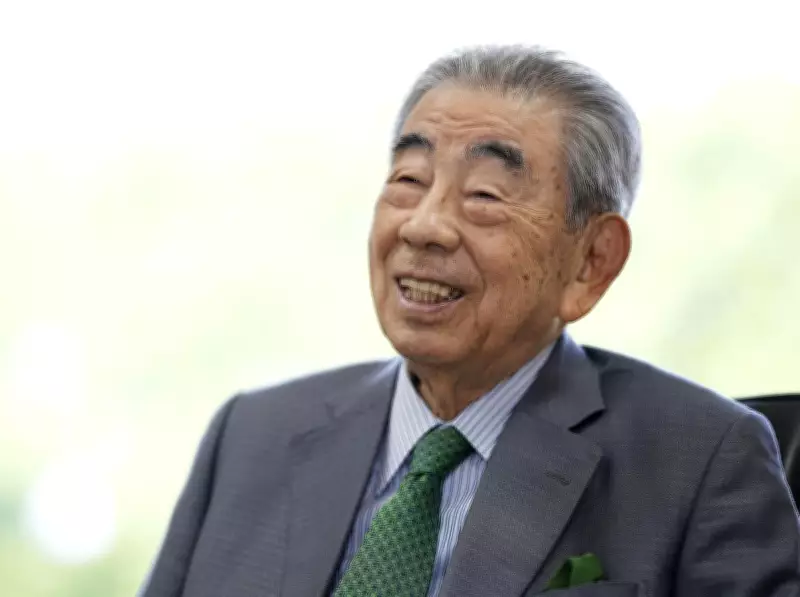
Toshifumi Suzuki, the visionary businessman who transformed Japan's convenience store industry and built the global 7-Eleven empire, has died at the age of 93. His passing marks the end of an era for retail innovation.
Early Life and Career
Suzuki began his career at Ito-Yokado, a Japanese supermarket chain, where he rose through the ranks. In 1973, he secured the master franchise rights for 7-Eleven in Japan, launching the first store in Tokyo in 1974. Under his leadership, the chain expanded rapidly, introducing concepts that became standard in convenience retail.
Revolutionizing Convenience Stores
Suzuki is credited with pioneering the modern 'conbini' model, which emphasized fresh food, daily deliveries, and a wide range of services. He introduced Japanese-style ready-to-eat meals like onigiri and bento boxes, which became staples. His insistence on quality and efficiency helped 7-Eleven become the dominant convenience store chain in Japan, with over 20,000 locations.

Global Impact
In 1991, Suzuki became CEO of Seven & i Holdings, the parent company of 7-Eleven. He oversaw the acquisition of the U.S. operations of 7-Eleven and expanded the brand globally. His management philosophy, known as the 'Suzuki Way,' focused on customer satisfaction, innovation, and operational excellence.
Legacy and Recognition
Suzuki retired as chairman in 2016 but remained an influential figure in retail. He received numerous awards, including the Order of the Sacred Treasure from the Japanese government. His contributions to the convenience store industry are widely recognized, and he is often called the 'father of the Japanese conbini.'
Suzuki's death was confirmed by Seven & i Holdings, which released a statement praising his leadership and vision. He is survived by his family, including his son, who has been involved in the business.