

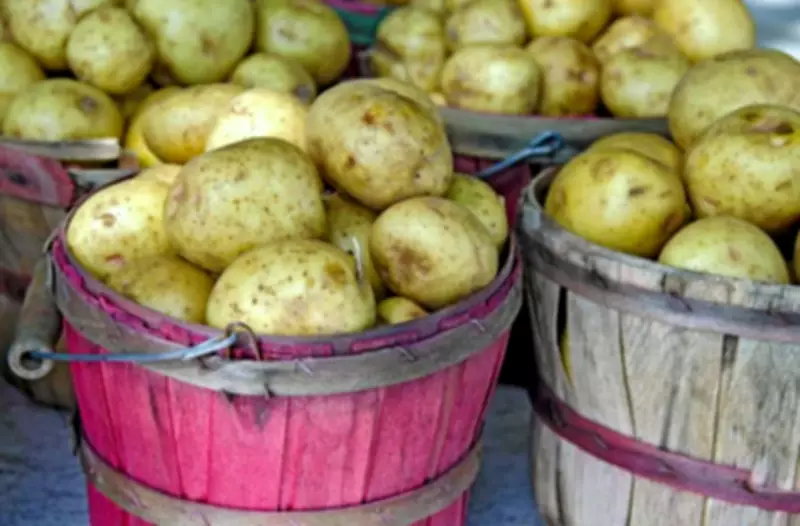
This year marks the 60th anniversary of a beloved Canadian culinary creation: the Yukon Gold potato. This iconic variety, now a staple in kitchens worldwide, was the result of an intensive 14-year breeding program led by renowned potato breeder Gary Johnson at the University of Guelph.
The Genesis of a Golden Spud
Contrary to some claims that it's merely a branding exercise for yellow-fleshed potatoes, the Yukon Gold is a distinct and carefully engineered variety. Its development began in the 1960s, culminating in what the University of Guelph hails as its "most recognized plant variety" from its breeding programs. The potato is celebrated for its exceptional disease resistance and robust growing performance across North America.
A Technical Marvel with a Rich Heritage
Officially designated as G6666-4y, the Yukon Gold's name encodes its origins: "G" for Guelph, "6666" representing the 66th cross made in 1966, "4" indicating the fourth selection from that cross, and "y" for its distinctive yellow flesh. This variety was born from a cross between a North Dakota potato and a yellow-fleshed variety native to the Peruvian Andes.

At the time of its creation, most potatoes in North America were white-fleshed. Johnson aimed to develop a potato that combined the appealing color and rich, buttery flavor of the Peruvian variety with a larger, smoother tuber suitable for Ontario's growing conditions. He aptly named it after the Yukon River, evoking the imagery of the Klondike Gold Rush.
Nutritional Profile and Culinary Versatility
Nutritionally, Yukon Gold potatoes are comparable to Russet potatoes. According to Potatoes USA, a medium-sized Yukon Gold with skin provides approximately 26 grams of carbohydrates, 620 mg of potassium, 27 mg of vitamin C, 2 grams of fiber, and 3 grams of protein.
However, their culinary applications differ significantly. While Russets, with their drier texture, are ideal for frying into French fries, the waxier consistency of Yukon Golds allows them to hold their shape better during prolonged cooking. This makes them perfect for soups, stews, braises, and other dishes where texture retention is key.
A Lasting Legacy
Today, the Yukon Gold potato is featured in at least 109 recipes on the New York Times Cooking website, a testament to its enduring popularity. Whether diced, mashed, or roasted, this Canadian invention continues to be a delicious and versatile gift to global cuisine, solidifying its place as a true agricultural triumph.






