Potato wart has been detected on a Prince Edward Island farm for the first time in several years, reigniting a push in the United States to ban imports of P.E.I. potatoes. The discovery, confirmed by the Canadian Food Inspection Agency (CFIA), has raised concerns among American agricultural officials who fear the fungal disease could spread to U.S. crops.
What Is Potato Wart?
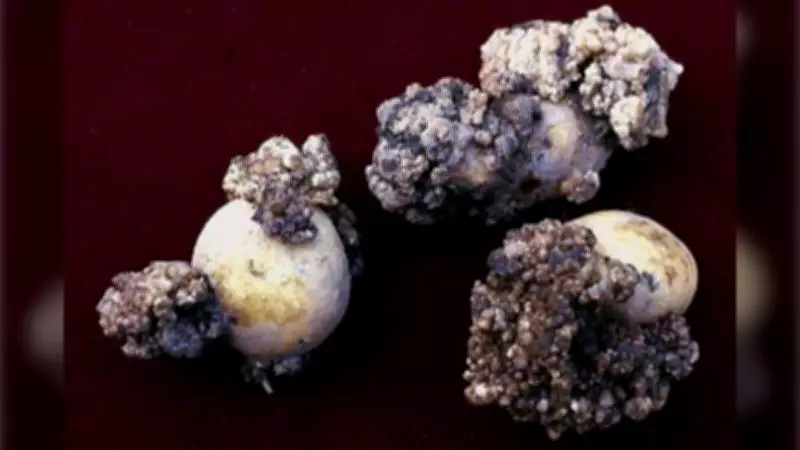
Potato wart is a serious fungal disease caused by Synchytrium endobioticum. It leads to unsightly growths on tubers and can persist in soil for decades. While not harmful to humans, it devastates yields and limits export markets. The disease has been present in P.E.I. since the early 1900s, but strict quarantine measures have kept it largely contained.
Renewed Trade Tensions
The U.S. has previously restricted P.E.I. potato imports due to wart concerns. In 2021, a temporary ban was lifted after Canada implemented enhanced testing and cleaning protocols. However, the new detection has prompted American growers and lawmakers to demand a permanent ban. Canadian officials argue that the CFIA's rigorous monitoring system ensures only safe potatoes are exported.

“This is a setback, but not a crisis,” said a spokesperson for the P.E.I. Potato Board. “We work closely with the CFIA to maintain the highest standards. The U.S. market is vital, and we are confident in our ability to address these concerns.”
The dispute highlights ongoing trade friction between the two countries. In 2023, the U.S. imported over $150 million worth of P.E.I. potatoes, making it the province's largest export market. A ban would have significant economic repercussions for the island’s farmers.
Next Steps
The CFIA has launched an investigation to determine the source of the outbreak and is conducting additional testing on surrounding farms. Meanwhile, Canadian trade officials are in discussions with their U.S. counterparts to prevent a full-scale ban. The outcome could set a precedent for how both nations manage plant health risks in cross-border trade.