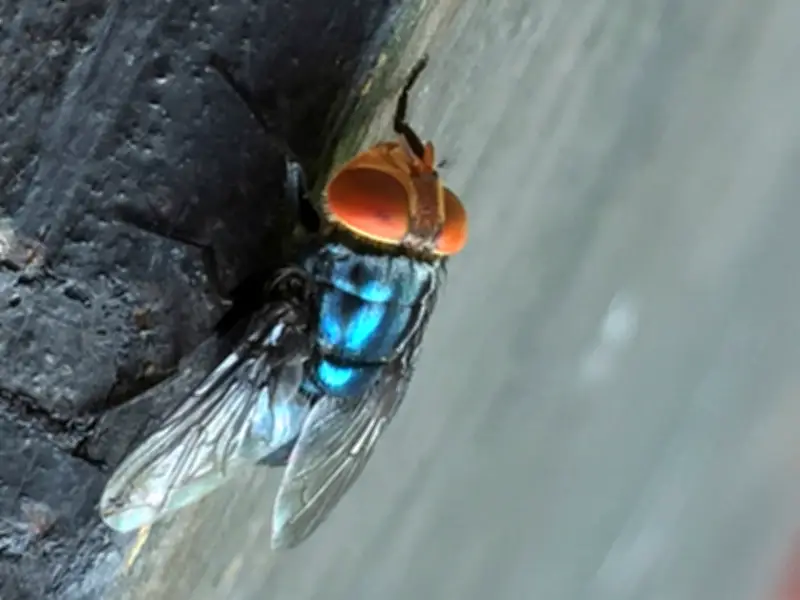
The United States Department of Agriculture (USDA) has reported a suspected case of the New World screwworm fly in south Texas, marking the first detection of the pest in the region in decades. The screwworm fly, which was largely eradicated in the United States through a decades-long program, poses a significant threat to livestock and wildlife.
What Is the New World Screwworm Fly?
The New World screwworm fly (Cochliomyia hominivorax) is a species of blowfly whose larvae infest the living tissue of warm-blooded animals, including humans. The female fly lays eggs in open wounds or mucous membranes, and the hatched maggots feed on the host's flesh, causing severe damage and often death if untreated. The pest was a major problem in the southern United States before a successful eradication program using sterile insect technique eliminated it in the 1960s and 1970s.
Detection and Response
The USDA's Animal and Plant Health Inspection Service (APHIS) confirmed the suspected case after routine surveillance. Officials have not yet specified the exact location in south Texas or the type of animal affected. APHIS is working with state and local authorities to investigate the case and implement control measures. The agency has increased surveillance in the area and is reminding livestock owners to inspect animals for wounds and report any suspicious larvae.

The screwworm fly remains endemic in parts of South America and the Caribbean. The USDA maintains a sterile fly release program along the Panama-Colombia border to prevent the pest from spreading northward. This recent detection underscores the ongoing risk of re-infestation and the importance of vigilance.
Impact on Livestock and Wildlife
Livestock, particularly cattle, are most vulnerable to screwworm infestations. Infested animals suffer from pain, weight loss, and secondary infections, leading to significant economic losses for ranchers. Wildlife, including deer and endangered species, can also be affected. The screwworm fly was responsible for millions of dollars in damages before its eradication in the U.S.
Ranchers in Texas are urged to check their animals for wounds and apply approved repellents. Any suspected cases should be reported to local veterinarians or the USDA immediately. The USDA has established a hotline for reporting and is providing guidance on treatment and prevention.
Historical Context
The screwworm eradication program is considered one of the greatest successes in veterinary entomology. Using sterile insect technique, where millions of sterilized male flies are released to mate with wild females, the pest was eliminated from the United States, Mexico, and Central America. The program saved the livestock industry billions of dollars and reduced the need for chemical insecticides. However, the pest persists in South America and occasionally appears in Central America, requiring continuous monitoring.
The USDA's sterile fly production facility in Panama produces about 20 million sterile flies per week, which are released in Panama and along the border to prevent northward spread. The recent detection in Texas suggests that despite these efforts, the pest may have found a way to re-enter the country, possibly through animal transport or natural migration.
What This Means for the Future
The detection of the screwworm fly in Texas is a reminder that biosecurity threats remain. The USDA is likely to step up its surveillance and possibly expand the sterile fly release program. Livestock producers should remain vigilant and follow best practices for wound care and pest prevention. The public is also encouraged to report any unusual fly activity or animal infestations.
This case highlights the need for continued investment in agricultural biosecurity and international cooperation to prevent the re-establishment of this devastating pest.