Pinot Noir has overtaken Merlot as the most-planted grape variety in British Columbia's wine country, according to the B.C. Ministry of Agriculture and Food's 2025 report on wine grape acreage. The shift follows the devastating 2024 freeze that wiped out most of that year's crop and led to the removal of 2,490 acres from production in 2025. However, nearly all of that land — 2,388 acres — was replanted in 2026, restoring B.C.'s total vineyard acreage to within 500 acres of 2023 levels.
Pinot Noir's rise to dominance
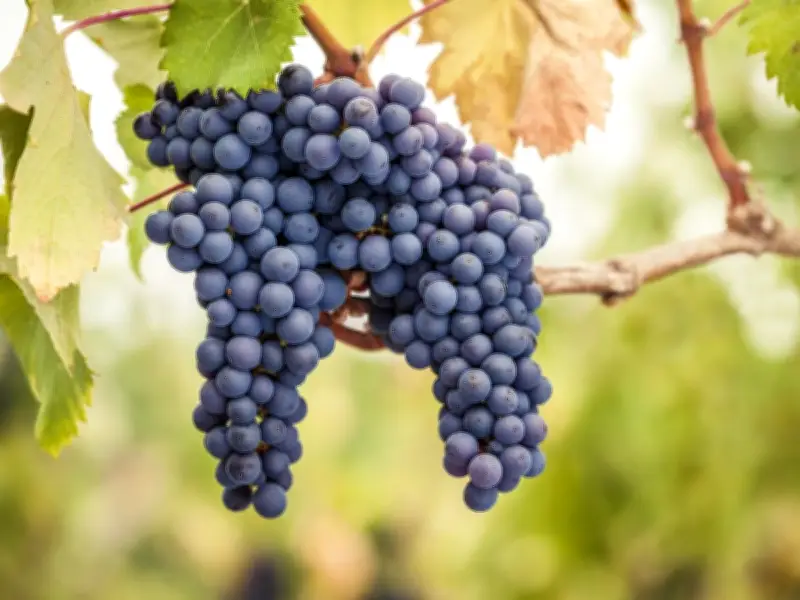
Pinot Noir, often called the heartbreak grape for its finicky nature, has shown remarkable resilience in overcoming the challenges posed by extreme cold. It now dominates B.C. vineyards with 1,216 acres planted, much of it producing high-quality, high-priced wines. Among the valley's top producers investing heavily in Pinot Noir are Martin's Lane, Spearhead, O'Rourke Family Estate, Meyer Vineyards, Blue Mountain, Quail's Gate, and CedarCreek.
Merlot slips to second place
Merlot vines have slipped to the No. 2 position at 1,175 acres. Despite the grape's potential in B.C., a flood of cheap international and some local labels has given Merlot a less-than-fashionable image among consumers. However, industry observers expect this to change for the better soon.

Other key varieties on the move
Chardonnay is closing fast at 1,083 acres, followed by an emerging Cabernet Franc at 1,033 acres. After that, the numbers drop quickly: Pinot Gris (840 acres), Cabernet Sauvignon (668), Riesling (432), Syrah (350), Sauvignon Blanc (303), Gamay Noir (243), Gewürztraminer (203), and then smaller plantings of Malbec, Viognier, Pinot Blanc, Petit Verdot, Marechal Foch, Muscat, Pinot Meunier, and Ehrenfelser.
Promising newcomers and future trends
Some of B.C.'s most promising grapes include Albarino, Verdejo, Marsanne, Roussanne, Grüner Veltliner, and dry versions of Ortega and Bacchus. Although the sample sizes of these wines remain small, the excitement factor is large and growing. According to wine writer Anthony Gismondi, nearly 40 years after establishing the original VQA standards, winegrowers are showing the confidence to explore more of the outer edge of the circle of wines that can grow in B.C.
Impact of climate challenges
The 2024 freeze was part of a series of climate-related crises affecting B.C. wine country, including severe cold snaps in late 2022 and January 2024, combined with ongoing drought, heat-dome events, and more frequent wildfires. These factors, along with shifting consumer tastes, have driven significant changes in vineyard plantings. While full production from replanted vines will lag by another two or three years, advances in viticulture, better site selection, and increased knowledge of grape-growing and winemaking are expected to trigger another significant jump in wine quality.