Inside a new but unassuming warehouse on the outskirts of Airdrie, David and Kirstin Barchard are cultivating a wealth of flavor. Their indoor farm, Micro Acres, is filled with racks of trays holding tiny plants with green, red, and purple leaves. As I walk through the quiet facility, Kirstin snips greens from the trays and challenges me to identify each by taste.
I pop a pinch of flat oval leaves into my mouth and am met with a surprising burst of fresh fruity flavor. My mind scrambles for a reference: I know this taste, but it doesn't match the appearance of the tiny plants beside me.
"It tastes like … watermelon?" I ask hesitantly.

Kirstin's smile widens. "Close!" she says encouragingly. "It's cantaloupe!"
Of course! After she says it, all I can taste is bright and juicy orange melon. We repeat the exercise with baby versions of leek, corn, broccoli, carrot, and anise plants, most looking similar while tasting completely distinct. It's hard to imagine such small plants packing as much flavor as a full-grown fruit or vegetable.
"The micros deliver the highest flavor profile," David says. "You're getting that flavor coming in from the seed."
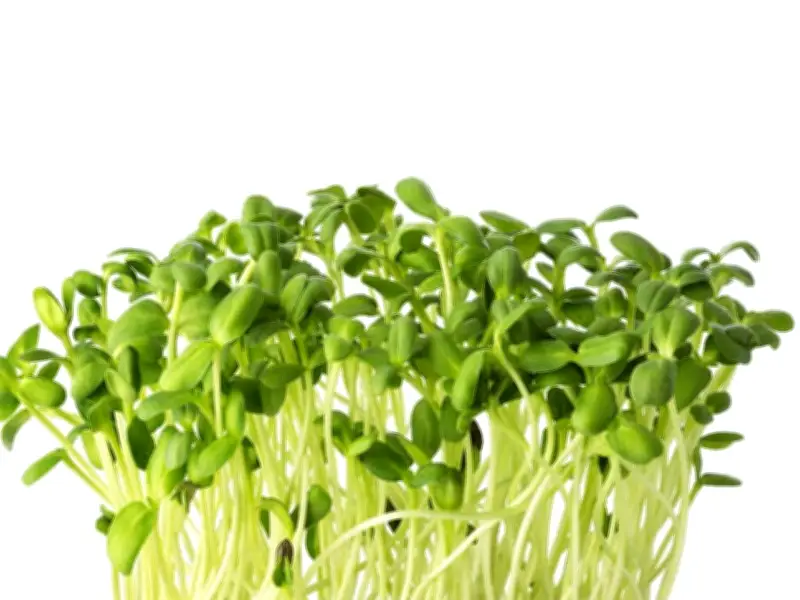
Microgreens — increasingly favored by chefs looking to add pizzazz to their dishes — are much more than a garnish. A microgreen is an edible plant seedling, essentially the infant version of a plant: a step beyond a sprout but smaller than the baby green stage. They make a dish look pretty, but also add a dramatic pop of flavor when used intentionally. These mighty little greens are full of nutrients, punching well above their minuscule weight.
The Barchards started Micro Acres in 2018 and have since scaled up substantially, moving from a smaller warehouse to their current 6,000-square-foot facility in 2022. David comes from a long stint in the restaurant industry, having previously worked as a GM with the Teatro Group. Looking for something different but still food-focused, he became interested in starting an indoor farm to grow produce for restaurants.
He had seen firsthand how small microgreen producers often struggled to consistently supply restaurants and knew he could bring his experience to build long-term relationships with customers. Growing indoors also means his produce isn't beholden to weather or seasonality, so chefs can typically get what they want when they want it. Everything Micro Acres sells is pre-sold before it grows (the beauty of growing a product ready in days rather than months) and is in restaurant customers' kitchens within 24 to 48 hours after being cut.
"We really wanted to cultivate a business that's here long term," David says. "I think that's always been the challenge in this industry, is you're here and then you're gone."