Understanding Food Storage: Safety vs. Quality
When it comes to storing food, people often fall into two camps: those who refrigerate everything immediately and discard items near their sell-by dates, and those who take a more relaxed approach, leaving ketchup and hot sauce on the counter. But which method is correct? According to food safety experts, the answer depends on the specific food.
Darin Detwiler, professor of food policy and corporate social responsibility at Northeastern University, explains that refrigeration is primarily a strategy to control risk. "That risk may be from microbes that make food unsafe, chemical reactions that can lead to rancidity, or a loss in nutritional value," he says. Mary Anne Amalaradjou, associate professor of food microbiology at the University of Connecticut, adds that the real distinction is not fridge versus pantry, but safety versus quality. "Some foods need refrigeration to prevent spoilage or risk, while others are refrigerated simply to stay fresher longer," she notes.
Foods That Benefit from Refrigeration
Spices, Especially Ground Varieties
Many people store spices in cabinets near the stove for convenience, but Detwiler warns that "heat, light, and oxygen degrade volatile compounds." Refrigeration helps preserve potency, extending the shelf life of expensive spices.

Whole-Grain Flour
For long-term storage, refrigeration is recommended. Francisco Diez-Gonzalez, director of the Center for Food Safety at the University of Georgia, explains that "cold delays the oxidation of fats, which can cause off flavors such as rancidity." Some flour companies even suggest freezing whole-wheat flour for extended storage.
Nuts
Raw or unsalted nuts are prone to oxidation due to their high fat content. Detwiler recommends storing them in the refrigerator or freezer to prevent spoilage.
Jarred Pesto
Amalaradjou emphasizes that "pesto is moist, low-acid, and can spoil quickly." The USDA FoodKeeper app advises refrigerating it after opening and using it within three days.
Prepared Horseradish
Once opened, horseradish can lose stability and spoil if left in the pantry. Refrigeration is essential.
Tortillas
Many tortilla packages recommend refrigeration after opening to prevent mold growth. However, Keith Warriner, a professor at the University of Guelph, notes that "tortillas can vary in formulation, but generally, refrigeration is for quality extension, not safety."
Foods That Can Go Either Way
Hot Sauce
The need for refrigeration depends on acidity. Vanessa Coffman of Stop Foodborne Illness explains that "harmful microbes struggle to grow in highly acidic environments," so some hot sauces are safe at room temperature. Donald W. Schaffner of Rutgers University adds that "generally, these products have a very low pH, so refrigeration is not needed for safety." Check labels for guidance.
Foods That Should Not Be Refrigerated
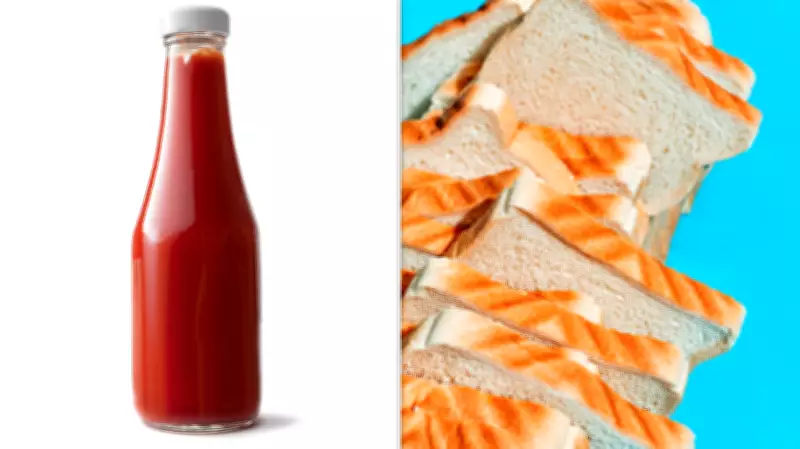
Ketchup
Warriner stores his ketchup in the cupboard because "it's high in acid, so microbes die off quicker at room temperature." The USDA agrees, stating that shelf-stable ketchup is safe at room temperature after opening, with refrigeration only for quality.
Soy Sauce
Due to its high salt content, soy sauce has low water activity and does not require refrigeration. However, Schaffner notes that "if you don't use it often, the colder temperature may extend quality."
Honey
Diez-Gonzalez warns that refrigeration causes honey to solidify by crystallizing its sugars. While still safe, it requires rewarming to reliquefy.
Bread
Refrigeration accelerates staling due to starch retrogradation. Schaffner recommends freezing bread for long-term storage to maintain freshness.
Coffee
Detwiler explains that "coffee absorbs moisture and odors," and refrigeration introduces condensation that degrades flavor. Warriner adds that moisture causes clumping and loss of volatile flavors.
Chocolate
Condensation can cause chocolate to develop white patches called bloom, which affects texture and appearance, though it remains safe to eat.

Key Takeaways for Safe Food Storage
Detwiler emphasizes that "opening changes everything." Once opened, foods are exposed to air, moisture, and germs, shifting from shelf-stable to perishable. Warriner notes that heat-treated products like mayonnaise or pasta sauce can spoil after opening due to microbial reintroduction.
Finally, do not rely on smell to determine safety. Many pathogens, including listeria and salmonella, do not produce noticeable odors. Instead, follow the two-hour rule for room temperature storage, track purchase and opening dates, and adhere to the "when in doubt, throw it out" guideline. Expiration dates are rough indicators of quality, not safety.