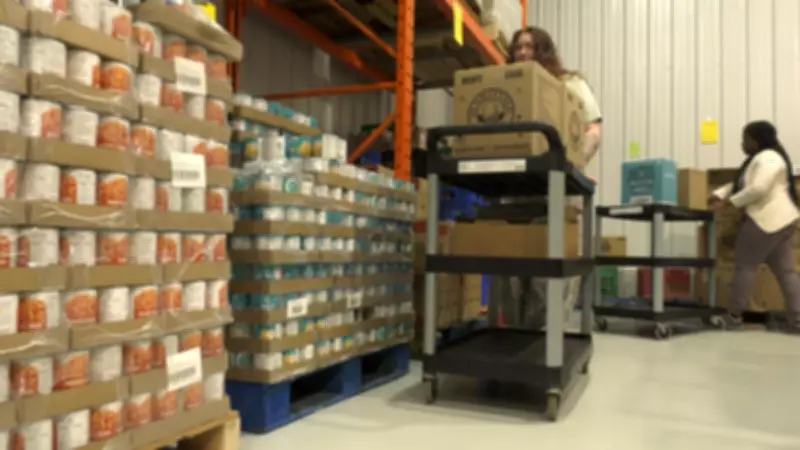
Nearly one-in-four Canadians are experiencing food insecurity, even as millions of tonnes of excess food are wasted each year. A new national campaign is taking aim at this paradox, seeking to reduce waste and redirect edible food to those in need.
The Scope of the Problem
According to recent data, approximately 25% of Canadian households struggle to access sufficient, safe, and nutritious food. Meanwhile, an estimated 2.2 million tonnes of edible food is lost or wasted annually across the country. This disconnect highlights the urgent need for systemic change.
Campaign Goals
The national campaign, launched by a coalition of food banks, environmental groups, and government agencies, aims to cut food waste by 50% by 2030. Initiatives include improving supply chain efficiency, encouraging grocery stores to donate unsold items, and educating consumers on proper food storage and meal planning.

“We have a moral and environmental imperative to act,” said a spokesperson for the campaign. “Every tonne of food wasted represents not only a missed opportunity to feed families but also a significant contribution to greenhouse gas emissions.”
Community Impact
Local food banks report a surge in demand, with many seeing a 30% increase in visitors over the past year. The campaign hopes to alleviate pressure by securing regular donations from retailers and farms. In Toronto, a pilot program has already diverted 500 tonnes of food from landfills to community kitchens.
How Canadians Can Help
Individuals are encouraged to participate by planning meals, using leftovers creatively, and supporting businesses that prioritize waste reduction. The campaign also promotes composting as a last resort for unavoidable scraps.
“Small changes at home can make a big difference,” the spokesperson added. “Together, we can build a more sustainable and equitable food system.”