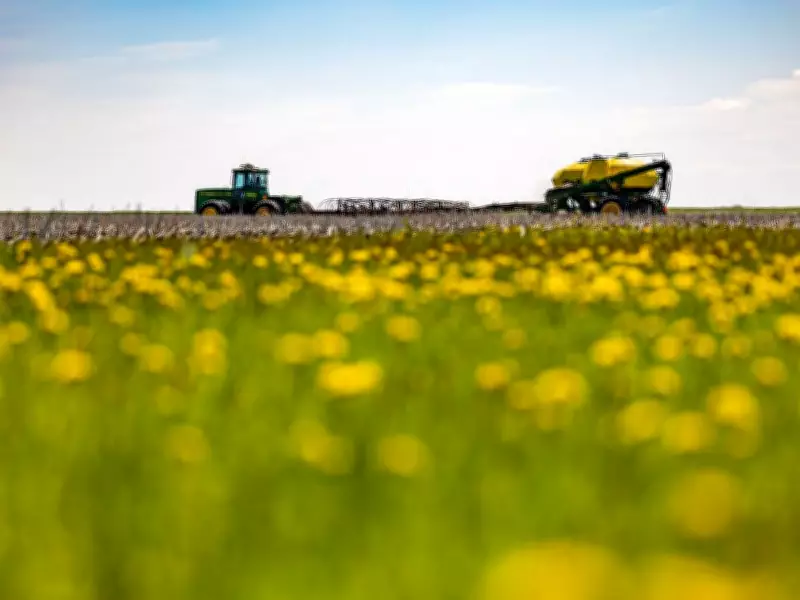
Bill Prybylski, who operates a 15,000-acre farm growing cereals and oilseeds in southeastern Saskatchewan, says this is going to be a tough year to grow crops and eke out a profit. But he notes that 2027 could be even more challenging for operations like his.
Prybylski worries that if rising fuel and fertilizer costs wipe out profits across the industry, and if the government does not step in, many family farms could be on the auction block next year. "The Richie Brothers might be very busy next spring if the government isn't willing to step in and help producers in their time of need," said Prybylski, who also represents 35,000 farmers as president of the Agricultural Producers Association of Saskatchewan (APAS).
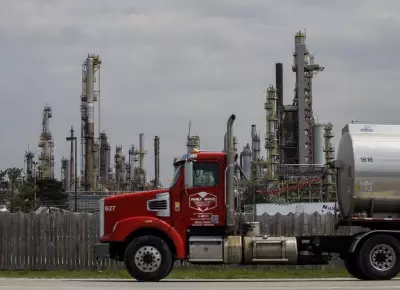
Rising fertilizer prices are a slow-moving train that could slam farmers' profits next year. World prices for the commodities surged after Iran effectively closed the Strait of Hormuz to ocean tankers. Without that critical waterway, a quarter of global supplies of nitrogen — a key crop nutrient used across Western Canada — is cut from the market.

If fuel and fertilizer costs remain elevated into next year, it could mean a $1.3-billion hit to Saskatchewan farmers in 2027, cutting into net income by 30 per cent, according to the producers association. The full impact of the supply shock likely won't be felt at the farm gate until the autumn when farmers start buying fertilizers for next year's growing season.
Three-quarters of Canadian farmers booked fertilizer last autumn before nitrogen jumped by 40 per cent, Canadian Federation of Agriculture president Keith Currie says. "That pricing will be hopefully a little more stable," he said. "But any extra that's needed, or anybody that didn't book fertilizer, will be facing much higher pricing."
Last week, Saskatoon-based fertilizer giant Nutrien reported rising profits for its first quarter as fertilizer prices inflated because of the Middle East conflict. "This is a huge supply shock that we're experiencing at the moment. I think there's no question about that," chief executive Ken Seitz said to Nutrien's investors. "Could we see an elevated price environment into 2027? That's certainly one of the possibilities."
Farmers tend to lock in their fertilizer purchases months in advance of spring seeding. They also hedge risk ahead of harvest by signing contracts outlining the crops they commit to growing on their acres of land. Because farmers are already locked into those crop contracts, their profits will take a hit on rising fuel prices this year. "The farmer is a price taker, not a price setter. So, if the cost of our production goes up, it doesn't mean we get to charge more for our products," Currie said.