Farmers, conservationists, and rural communities are joining forces to protest the proposed Alto high-speed rail project, which they argue threatens wildlife, farmland, and local livelihoods. Andie Bower, a farmer with Ferme Mont-Vulley Inc., has received three notices indicating that a 30-metre strip of land on either side of his 2,000-acre property may be expropriated for the rail corridor. Bower, who allows wildlife to roam freely on his farm, fears that the construction and operation of the rail line will displace animals and disrupt his farming operations.
Concerns Over Wildlife and Farm Operations
Bower expressed concern that the removal of tree lines to create the corridor would displace many animal species. He also noted that the land cuts could significantly impact his workflow, requiring more time and fuel to navigate around the tracks. The farmer is frustrated by the lack of a return address on the notice letters, leaving him without a clear channel to voice his opposition. He stated, 'There are just no resources out there for us to reach out to and voice our opinions on the matter to express the overwhelming feeling that we do not want this coming through our community.'
Government Plans and Compensation
The federal government announced in February 2025 its intention to develop the Alto high-speed rail network, linking the Toronto-Quebec City corridor. The $60- to $90-billion project is projected to boost Canada's annual GDP by 1.1 per cent ($24.5 billion per year) and generate 55,000 jobs, along with $800 million in annual tourism revenue. However, the Expropriation Act allows the government to purchase land for public works, and the High-Speed Rail Network Act enables a right of first refusal for the government to match third-party offers. Bower estimates that the government's compensation of about $1,500 per field falls short of the actual value, which he places at $15,000 to $16,000 per acre.

Impact on Future Plans
Bower had planned to build a new home on his property this summer, but the proximity of the proposed rail line has cast doubt on those plans. He worries about noise pollution scaring pollinators and his cattle, which are part of his beef-raising project. The farmer emphasized that the disruption could have lasting effects on his crops and livestock operations.
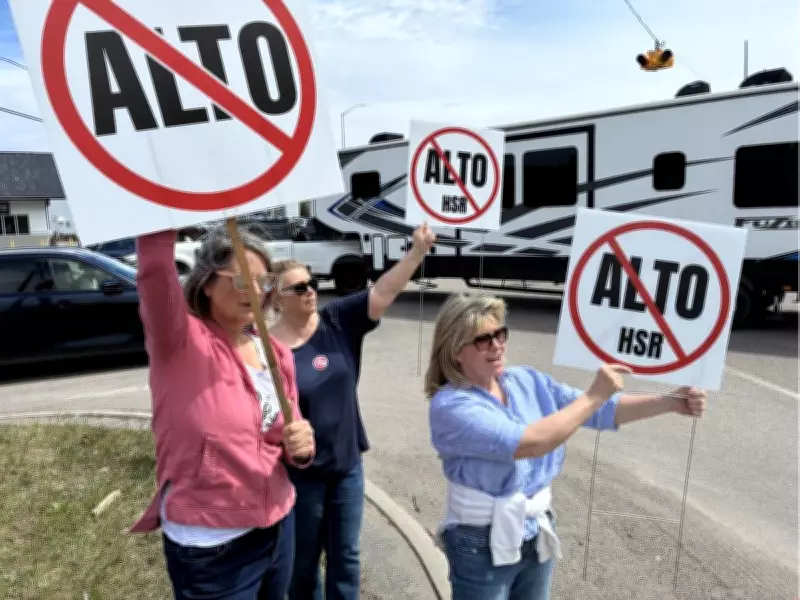
The protests, which included a rally along Highway 7 in Kaladar, reflect growing opposition from local farmers, snowmobilers, and MPs who are concerned about the project's impact on wildlife and community intersections. As the Alto project moves forward, many rural residents feel their voices are being ignored in the decision-making process.