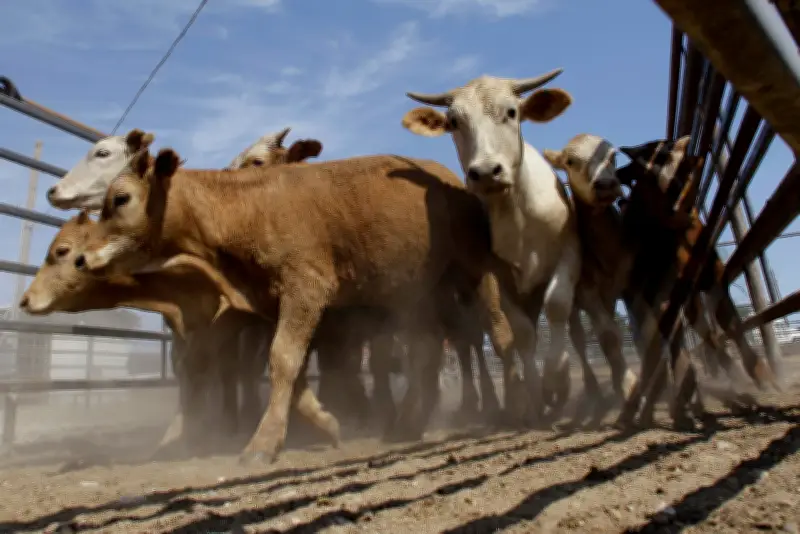
Canada has implemented restrictions on livestock imports from the United States, specifically targeting regions affected by the screwworm parasite. The decision, announced by the Canadian Food Inspection Agency (CFIA), aims to prevent the introduction and spread of the pest within Canadian borders.
Background of the Screwworm Threat
The screwworm, known scientifically as Cochliomyia hominivorax, is a parasitic fly that infests warm-blooded animals, including livestock. It lays eggs in open wounds, and the resulting larvae feed on living tissue, causing severe damage and often death if untreated. The United States recently confirmed a case of screwworm, prompting immediate action from Canadian authorities.
According to the CFIA, the restrictions apply to livestock such as cattle, sheep, goats, and horses originating from or transiting through areas in the U.S. where screwworm has been detected. The agency has not specified the exact regions but is working closely with U.S. counterparts to monitor the situation.

Impact on Trade and Agriculture
The import restrictions are expected to affect cross-border livestock trade, particularly for farmers and ranchers who rely on U.S. stock. The Canadian Cattle Association expressed support for the measure, emphasizing the importance of protecting Canada's livestock industry from potential outbreaks. However, some stakeholders have raised concerns about supply chain disruptions and economic losses.
Canada's agriculture sector is a significant contributor to the economy, and any outbreak of screwworm could have devastating consequences. The CFIA has assured that the restrictions are temporary and will be reassessed as the situation evolves.
Preventive Measures and Monitoring
In addition to import restrictions, the CFIA has enhanced surveillance at border points and is working with provincial authorities to ensure compliance. Livestock owners are advised to monitor their animals for signs of screwworm infestation, such as maggots in wounds or body openings, and to report any suspected cases immediately.
The agency also recommends maintaining good animal husbandry practices, including prompt treatment of wounds and proper disposal of carcasses, to reduce the risk of infestation.
Reactions and Next Steps
U.S. agricultural officials have acknowledged Canada's concerns and are collaborating to contain the screwworm case. The U.S. Department of Agriculture (USDA) has implemented its own quarantine and eradication protocols in the affected area.
Canadian livestock producers are urged to stay informed through official CFIA updates and to cooperate with any additional measures that may be introduced. The situation remains fluid, and further restrictions could be implemented if the screwworm threat persists.