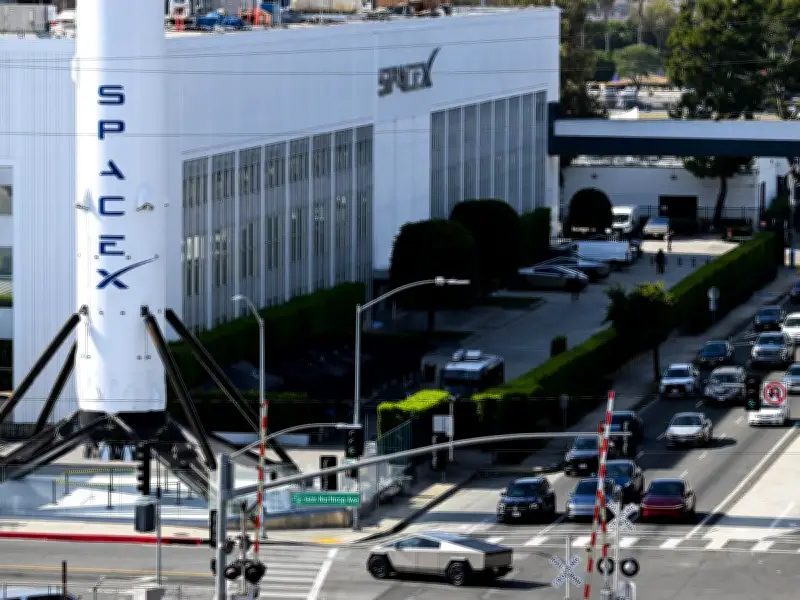
SpaceX is seeking US$75 billion in what is set to become the largest initial public offering of all time, but history shows that megacap IPOs often underperform in their first year. However, upcoming listings from SpaceX, Anthropic, and OpenAI are so large and systemically important that past analogies may not apply.
Historical IPO Performance
According to Truist Wealth, 30 major technology IPOs over the past 15 years averaged a maximum decline of 55 percent in the first year of trading. Forward returns also skewed negative at the six-month mark. Factors include low public share floats and selling pressure from lockup expirations.
The New Giants
SpaceX, officially Space Exploration Technologies Corp., targets a valuation of about US$1.8 trillion. Anthropic has private funding rounds valuing it at US$965 billion, while OpenAI is worth US$852 billion. All three are expected to achieve market values near or above US$1 trillion, a club currently limited to 11 S&P 500 companies.

“These behemoth IPOs will rapidly take up both the market share of benchmarks and the mindshare of retail investors,” said Max Gokhman, senior vice president at Franklin Templeton Investment Solutions.
Matt Stucky, chief portfolio manager of equities at Northwestern Mutual Wealth Management Co., noted unprecedented retail interest. “I have never been asked more about an IPO than SpaceX from our retail clients and advisers. That’s interesting, but also concerning from a risk management perspective.”
AI-Driven Market Context
The IPOs arrive as investors focus on artificial intelligence as both a catalyst and risk. Massive capital expenditures by Alphabet, Meta, Amazon, and Microsoft have boosted revenues across semiconductors, energy, and construction. SpaceX, Anthropic, and OpenAI are leaders in AI, expected to solidify their status. Yet buying immediately post-IPO may not be optimal.
Investors face a crucial timing question: when is the right moment to buy shares in these mega-tech IPOs? While the companies are poised to reshape markets, historical patterns suggest caution. The sheer scale and strategic importance of these offerings, however, could rewrite the rules for megacap IPOs.