Apple's latest artificial intelligence tool has been blocked from deployment in the European Union after the European Commission determined that it fails to meet the bloc's stringent regulatory standards. The decision, announced on Monday, marks a significant setback for the tech giant's AI ambitions in one of its key markets.
Regulatory Hurdles
The European Commission cited concerns over data privacy, transparency, and algorithmic accountability as primary reasons for the rejection. Under the EU's new AI Act, which came into effect earlier this year, companies must ensure their AI systems are transparent, non-discriminatory, and respect user privacy. Apple's tool, designed to enhance Siri's capabilities, reportedly violated these principles.
An Apple spokesperson expressed disappointment with the decision, stating that the company had worked diligently to align its AI features with EU regulations. "We are committed to providing innovative and secure AI experiences for our users in Europe, and we will continue to engage with regulators to address their concerns," the spokesperson said.

Impact on Apple's AI Strategy
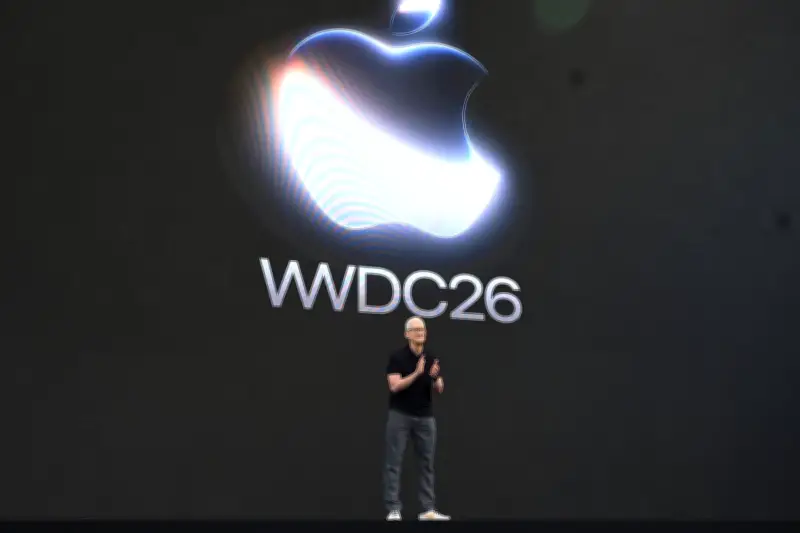
The block comes at a critical time for Apple, which has been racing to catch up with competitors like Google and Microsoft in the AI space. The company recently unveiled a suite of AI features at its Worldwide Developers Conference, including improved natural language processing and personalized recommendations. However, the EU's decision means these features will not be available to European users until compliance is achieved.
Industry analysts warn that the setback could hamper Apple's ability to compete in the European market, where demand for AI-powered services is growing rapidly. "This is a major blow for Apple, as the EU is one of the most lucrative markets for tech companies," said analyst Sarah Johnson. "The company will need to invest significant resources to redesign its AI tool to meet regulatory requirements."
Broader Implications
The EU's action underscores the increasing regulatory scrutiny faced by tech giants worldwide. The AI Act, which imposes strict rules on high-risk AI applications, has been hailed by privacy advocates but criticized by industry players as overly burdensome. Apple's case could set a precedent for how other companies navigate the complex regulatory landscape.
Meanwhile, the European Commission defended its decision, emphasizing the importance of protecting citizens' rights in the digital age. "Our regulations are designed to ensure that AI serves people, not the other way around," said a Commission spokesperson. "We welcome innovation, but it must not come at the expense of fundamental rights."
Apple has indicated that it will appeal the decision and work on modifications to its AI tool. However, no timeline has been provided for when the features might become available in the EU.