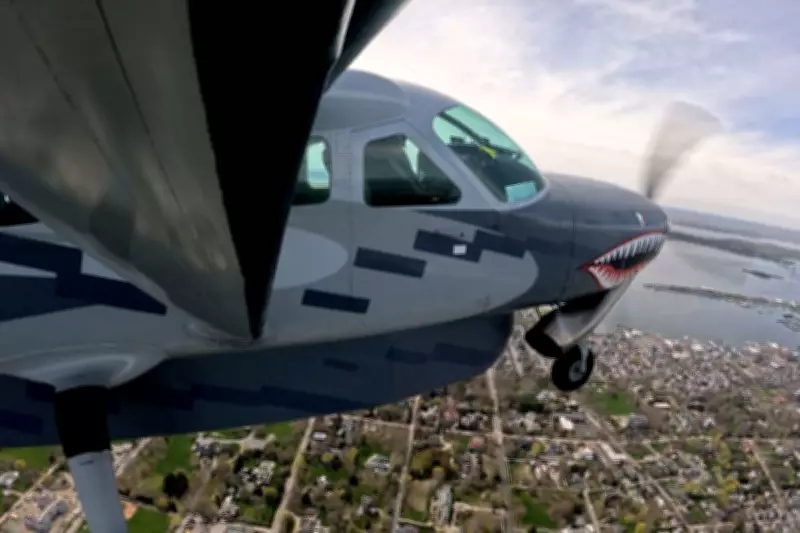
Artificial intelligence is learning to fly airplanes, and the aviation industry is beginning to embrace this transformative technology. In a recent test flight over Rhode Island, an AI pilot successfully flew a Cessna Caravan, demonstrating the potential for autonomous systems in the cockpit.
Merlin Labs Leads the Way
The test flight was conducted by Merlin Labs, a company specializing in AI-powered aviation systems. The Cessna Caravan, a single-engine turboprop aircraft commonly used for cargo and passenger transport, was operated entirely by the AI pilot during the flight. This milestone highlights the growing capabilities of machine learning in complex, real-world environments.
Industry Implications
Aviation experts believe that AI pilots could reduce human error, increase efficiency, and lower operational costs. However, concerns about safety, regulatory approval, and public acceptance remain. The Federal Aviation Administration (FAA) is closely monitoring these developments, with potential certifications for autonomous flight systems on the horizon.

How It Works
Merlin Labs' AI pilot uses advanced sensors, cameras, and algorithms to perceive the aircraft's surroundings, make decisions, and control the plane. The system is trained on vast amounts of flight data, allowing it to handle various scenarios, from takeoff to landing.
Future of Flight
While fully autonomous commercial flights are still years away, the successful test flight of the Cessna Caravan marks a significant step forward. As AI technology continues to evolve, the aviation industry is poised for a revolution that could reshape how we travel by air.