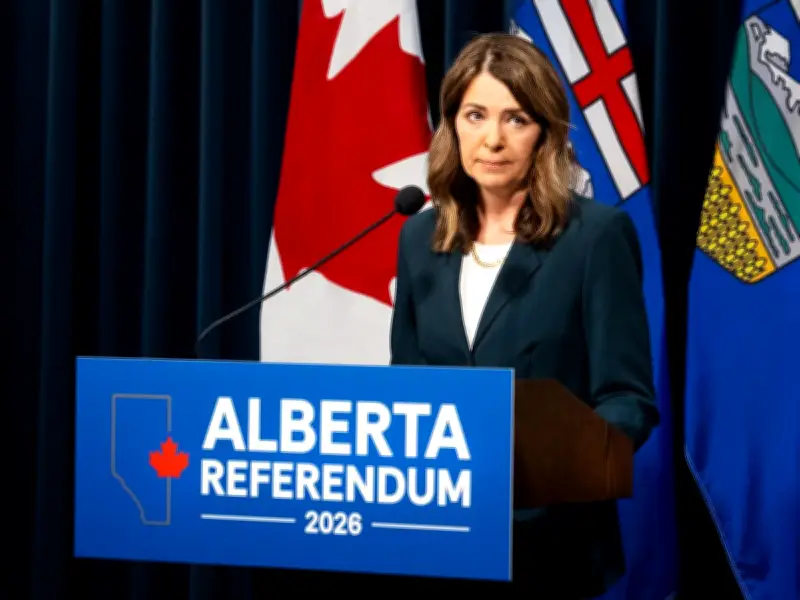
William Watson: Six Degrees of Separation Anxiety. There's lots to worry about in an Alberta referendum. As Quebec's two votes and Brexit demonstrate, unknown unknowns lie in wait for us.
Lessons from Past Referenda
After Quebec's two sovereignty referenda in 1980 and 1995, Scotland's independence vote in 2014, and Britain's Brexit debate in 2016, some things about referenda seem clear.
First, the wording doesn't really matter. The English version of Quebec's 1980 question was 108 words long. It was actually pretty clear but, fancifully, it offered an economic association and common currency with Canada that were not within Quebecers' power to grant themselves. The mortgage-like 1995 question was an opaque 43 words that included references to two other documents. On both occasions, however, people understood we might be at an important fork in the road, maybe even a point of no return, so the debate was serious and intense.

Alberta's new 37-word question, even as amended following an unfavourable court decision, is still pretty clear: Should Alberta remain a province of Canada or should the government organize a formal referendum on separation? A few Albertans who favour staying may nevertheless want a formal vote, while some separatists may not think a vote necessary. But apart from a few nitpickers, most Albertans will be voting yea or nay on Canada. All the tension in the two Quebec referenda came from the stakes being so high.
Turnout and Participation
Turnout will soar. Because of the stakes, it was 85 per cent in Quebec 1980 and 93 per cent in 1995 (though that's disputed because of suspected ballot shenanigans). In Scotland it was 85 per cent, though for Brexit only 72 per cent: maybe many Brits figured in or out of Europe didn't really matter. Alberta is asking nine other questions on its October referendum. You'd think having their opinions sought on very serious matters should get people out.
Purists argue our system is representative democracy so we should forget about referenda. But on fundamental questions everybody wants a direct say. Maybe we shouldn't trust the masses but our system is one person, one vote, not one PhD, one vote. Plus, it's not as if our representatives are so great at representing us. Every time Parliament votes on supply management it's unanimously for higher food prices and less affordability.
High-Risk Politics
Referenda are a high-risk continuation of politics by other means. I once sat at a faculty lunch table where a retired Pierre Trudeau told us Quebec will never separate. But referenda can go awry. In 1995, federalists were comfortably ahead until the last two nail-biting weeks. David Cameron is widely blamed for recklessly allowing a Brexit referendum just to call the bluff of Euroskeptics in his party, only to have it blow up in his face, which cost him his job. But if, as turned out, a majority of Britons really did want out of Europe, that's got to count for something.
Danielle Smith is accused of risking Canada in order to manage the separatist wing of her party. But she's a politician. If her party's divided, she can't just say My way or the highway! Or rather, she can say it but she can't guarantee she won't be the one who ends up driving off down the Yellowhead into a Rockies sunset as her replacement as party leader fires up a referendum and leads the separatist side using all the powers of government. All politicians exaggerate their own indispensability (except maybe Lincoln, who actually was indispensable) but maybe it's better that Smith preside over a referendum than someone else.