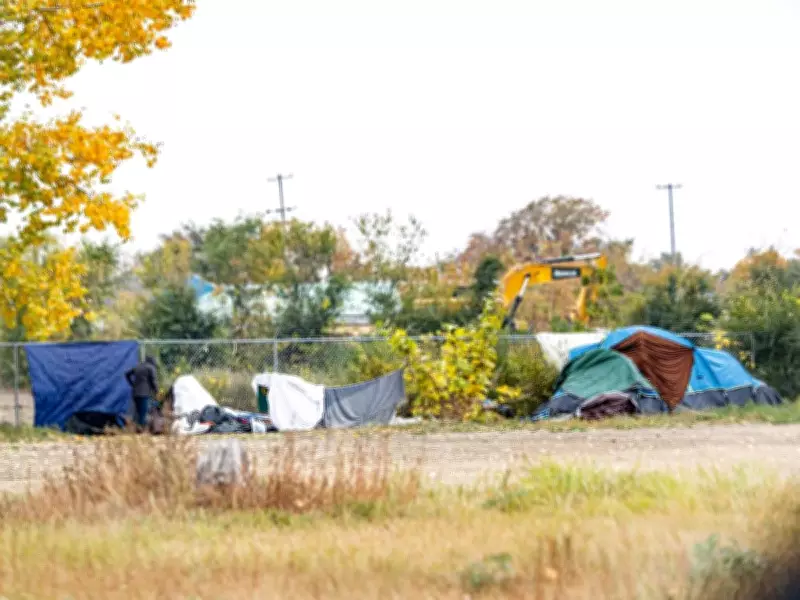
In a recent letter, Greg Clark draws a straight line from immigration to homelessness in Saskatoon and calls it obvious. It is not.
Saskatchewan is not Ontario or British Columbia. The net internal migration of immigrants to Saskatchewan has been consistently negative, meaning more newcomers leave the province than stay.
Saskatchewan’s five-year immigrant retention rate has seen the largest drop of any province, with recent arrivals routinely moving on to Alberta or elsewhere within a year. The premise that Saskatchewan absorbed a wave of immigrants who crowded out vulnerable residents simply does not hold up to the data.

The people actually working on this problem are telling a different story. Local advocates and city planners point to poverty and income as the highest indicators of homelessness risk, and note they are now seeing people with no addictions or mental health issues who simply cannot afford rent.
The City of Saskatoon’s own Point-in-Time Count report identifies cost of living, declining vacancy rates, and the lasting effects of the pandemic as the drivers behind the surge. Immigration does not appear on that list.
Over 80 per cent of those experiencing homelessness in Saskatoon are Indigenous. That is a figure that has barely shifted across every count the city has conducted.
That is not an immigration story. It is a story of systemic poverty, inadequate housing supply, and the failure of social supports to keep pace with population growth.
Scapegoating newcomers is not analysis. It is misdirection, and it causes real harm to real people.
Sara Wheelwright, Saskatoon