Indigenous Rights as a Barrier to Alberta Secession
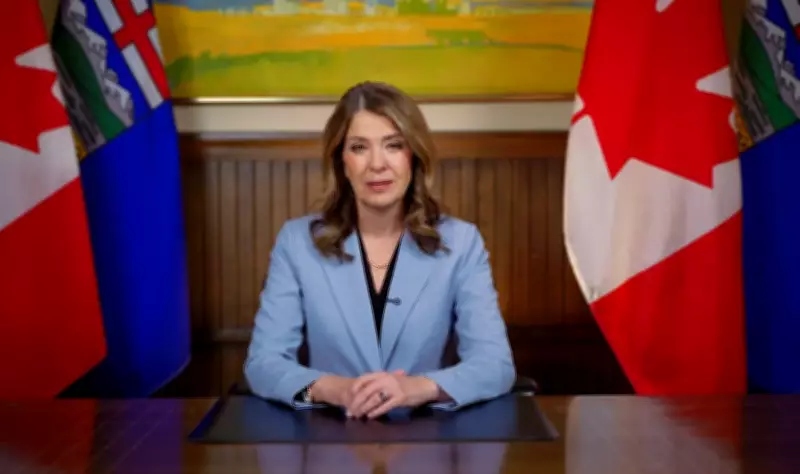
As Alberta Premier Danielle Smith pushes forward with plans for a potential separation referendum, Indigenous rights have emerged as a significant hurdle. Legal experts and Indigenous leaders argue that any move to secede from Canada would require addressing complex treaty obligations and land claims.
Treaty Rights and Land Claims
Alberta is home to numerous First Nations with treaties dating back to the 19th century. These agreements guarantee certain rights, including land use and self-governance. Secession would not automatically nullify these treaties, but it would create legal uncertainty. Indigenous groups have made it clear that they expect their rights to be respected in any constitutional change.
Legal and Political Implications
Constitutional scholars note that secession would require amendments to the Canadian Constitution, which includes protections for Indigenous peoples under Section 35. Without Indigenous consent, any secession plan could face legal challenges. Premier Smith has acknowledged the need to engage with Indigenous communities, but critics say her government has not done enough.

Western Canadian premiers are set to meet in Alberta to discuss separatism, but the Indigenous rights issue remains a sticking point. The meeting comes as Smith promises not to hold another separation referendum if the "remain" side wins in October. However, the path to secession is fraught with legal and ethical complexities that cannot be ignored.