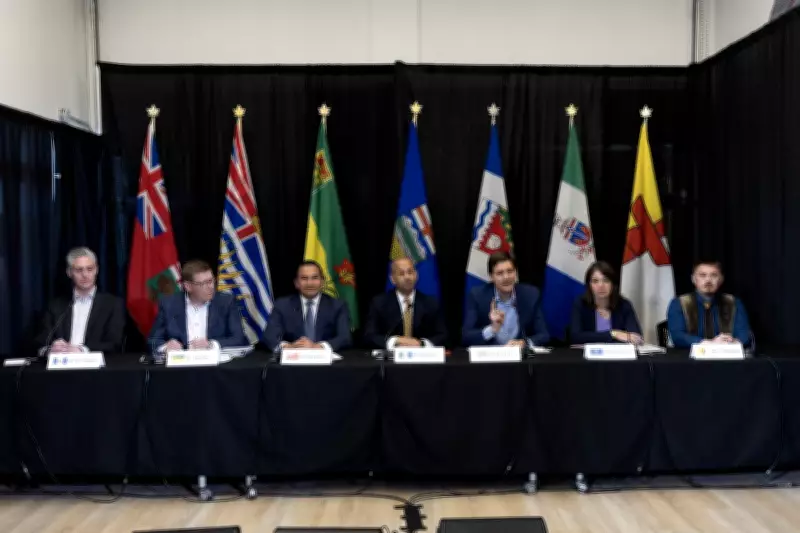
Western Canadian premiers are set to convene in Alberta for a critical meeting, as the province continues to grapple with separatist movements that have gained traction in recent years. The conference, which will take place over the coming days, brings together leaders from British Columbia, Alberta, Saskatchewan, Manitoba, and the three territories to discuss shared priorities and regional concerns.
Context of the Meeting
Alberta Premier Danielle Smith has been at the forefront of discussions regarding provincial autonomy and the potential for separation from Canada. In a recent statement, Smith reiterated her commitment to respecting the outcome of any future referendum on the matter, promising not to hold a later separation vote if the remain side wins in an October ballot. This pledge comes amid heightened political tensions and public debate over Alberta's role within the federation.
Key Issues on the Agenda
The premiers are expected to address a range of topics, including economic diversification, energy policy, healthcare funding, and interprovincial trade barriers. The meeting also provides an opportunity for leaders to coordinate responses to federal policies that affect the western provinces and territories.

Other participants include Saskatchewan Premier Scott Moe, Manitoba Premier Wab Kinew, British Columbia Premier David Eby, and territorial leaders from Yukon, Northwest Territories, and Nunavut. Their discussions will likely focus on collaborative approaches to common challenges, such as infrastructure development and climate change adaptation.
Separatism in Alberta
Alberta's separatist movement has been fueled by frustrations over federal energy policies, equalization payments, and perceived lack of representation in Ottawa. While support for separation remains a minority view, it has influenced provincial politics and sparked debates about constitutional reform.
Smith's government has pursued a strategy of assertive provincialism, seeking to maximize Alberta's autonomy within Canada. This approach has included initiatives such as the Alberta Sovereignty Act, which aims to protect provincial jurisdiction from federal overreach.
Reactions and Implications
The meeting has drawn attention from political observers and stakeholders across the country. Some analysts view it as a platform for western premiers to present a united front on issues of mutual interest, while others see it as a response to growing regional discontent.
Federal officials have expressed hope that the conference will foster constructive dialogue and cooperation. However, the presence of separatist sentiments in Alberta adds a layer of complexity to the discussions, as leaders navigate the delicate balance between provincial rights and national unity.
Looking Ahead
The outcomes of the meeting could have significant implications for intergovernmental relations in Canada. As the premiers deliberate on policy priorities, their decisions may shape the political landscape in the western provinces and influence broader debates about the future of the Canadian federation.
Observers will be watching closely for any joint statements or agreements that emerge from the conference, which may signal the direction of western Canadian politics in the months ahead.