The United States launched military strikes against Iran on Tuesday, following President Donald Trump's pledge to retaliate for the downing of a U.S. Army helicopter near the Strait of Hormuz. The president stated that the helicopter crew emerged without injuries and that the U.S. blockade remains effective, declaring that 'nothing is getting through.'
Background of the Incident
The confrontation escalated after an American helicopter was shot down in the strategic waterway, a critical chokepoint for global oil shipments. Trump's administration had previously imposed a naval blockade in the region, citing threats to international navigation. The downing marked a significant escalation in tensions between the two nations.
Trump's Statement
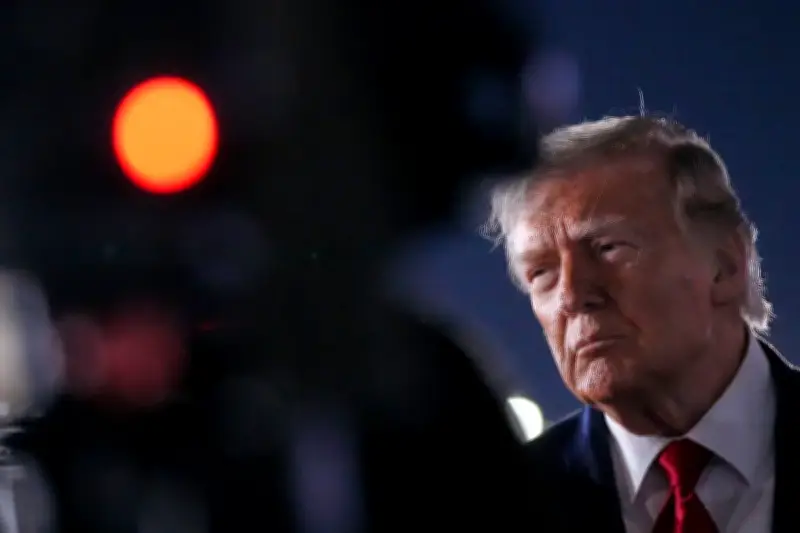
In a press briefing, President Trump emphasized that the helicopter incident resulted in no casualties. 'Nobody was injured,' he said, while reiterating the strength of the U.S. blockade. He vowed a forceful response, which materialized hours later as airstrikes targeted Iranian military installations.

International Reactions
The strikes have drawn mixed reactions globally. Allies expressed concern over the potential for wider conflict, while adversaries condemned the U.S. action. The United Nations called for restraint, urging both sides to de-escalate. Meanwhile, oil prices surged amid fears of supply disruptions.
Regional Implications
The Strait of Hormuz, through which about 20% of the world's oil passes, remains a flashpoint. Iran has previously threatened to block the strait in retaliation for sanctions. The latest U.S. military action could further destabilize the region, with neighboring nations on high alert.
Domestic Response
In the United States, the strikes have reignited debate over military engagement in the Middle East. Congressional leaders called for briefings, while anti-war groups organized protests. The administration defended the action as necessary to protect American assets and uphold international law.
Future Outlook
Analysts warn that the situation could spiral into a broader conflict if diplomatic channels fail. The Trump administration has signaled willingness to negotiate but insists on Iran's compliance with nuclear and missile restrictions. For now, the region braces for potential retaliation.