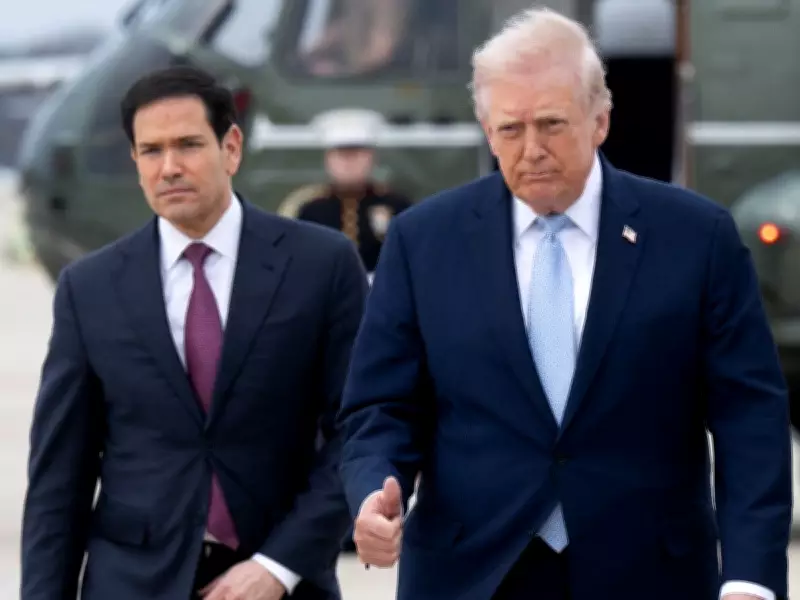
U.S. President Donald Trump has announced that an agreement with Iran is largely negotiated, potentially ending a war that has disrupted the Middle East and global oil markets. The deal would include the reopening of the Strait of Hormuz, a critical waterway for oil shipments.
Key Developments
Secretary of State Marco Rubio hinted that the world might receive good news soon, following Trump's statement. However, Iran's Foreign Ministry spokesman Esmaeil Baqaei cautioned that while there is a trend toward rapprochement, it does not guarantee an agreement on all major issues.
Nuclear Question Remains
Baqaei clarified that the nuclear issue is not part of the initial framework and will be subject to separate discussions later. The New York Times, citing American officials, reported that a key element of the proposed agreement is Iran's commitment to give up its stockpile of highly enriched uranium. However, Iranian news agencies Fars and Tasnim denied any such commitment, stating that Iran has not agreed to hand over nuclear stockpiles or shut down facilities. Nuclear-related issues would be negotiated within 60 days of signing an understanding.

Strait of Hormuz Reopening
Trump stated that the agreement would open the Strait of Hormuz, bringing relief to global energy markets. Iran has insisted on maintaining control over the waterway, with Fars news agency reporting that the deal would preserve Iran's management. Tasnim added that the status of the strait would not revert to pre-war conditions, and the U.S. naval blockade of Iranian ports would be lifted within 30 days.
Iran's initial intention is to draft a memorandum of understanding as a framework agreement, with a final deal expected within 30 to 60 days. The path forward remains complex, with both sides signaling cautious optimism.