U.S. President Donald Trump tempered expectations of a Middle East deal by stating he had instructed his negotiators not to “rush,” just hours after his top diplomat indicated that the United States and Iran could reach an agreement to end the regional war as early as Sunday.
Trump's Social Media Post
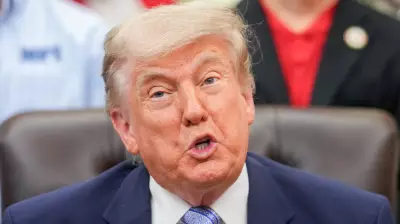
In a social media post, Trump wrote: “I have informed my representatives not to rush into a deal in that time is on our side.” He added, “The Blockade will remain in full force and effect until an agreement is reached, certified and signed.” Earlier, Trump had posted that the deal “has been largely negotiated, subject to finalization between the United States of America, the Islamic Republic of Iran and the various other Countries.”
Secretary of State's Optimism
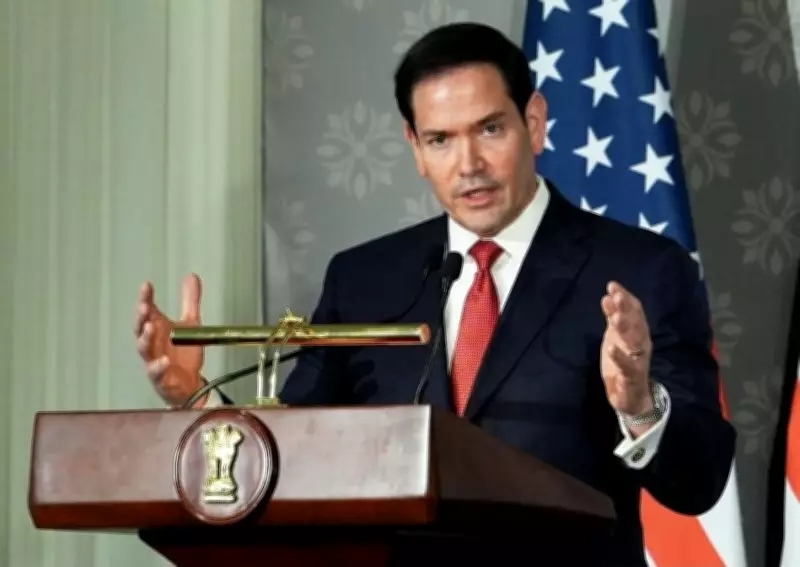
During a visit to India, U.S. Secretary of State Marco Rubio told reporters: “I do think perhaps there is the possibility that in the next few hours the world will get some good news.” Rubio said the agreement would initiate a “process that can ultimately leave us where the president wants us to be, and that is a world that no longer has to fear or worry about an Iranian nuclear weapon.”

Israeli Prime Minister's Stance
Israeli Prime Minister Benjamin Netanyahu stated on Sunday that he and Trump had agreed that “any final agreement with Iran must eliminate the nuclear threat entirely.” An Israeli official, speaking anonymously, told AFP that “President Trump made clear that he will remain steadfast in the negotiations regarding his longstanding demand for the dismantlement of Iran’s nuclear programme and the removal of all enriched uranium from Iranian territory, and that he will not sign a final agreement absent these conditions.”
European Leaders' Reaction
European leaders, eager to see the Strait of Hormuz reopened and energy prices decline, welcomed the early optimism. European Commission President Ursula von der Leyen hailed “progress towards an agreement,” while British Prime Minister Keir Starmer vowed to work with “international partners to seize this moment.”
Iranian Perspective
Iranian officials confirmed the existence of a draft agreement but emphasized that talks on Iran’s contested nuclear program have been deferred for 60 days after any deal, despite the long-standing U.S. demand for an end to uranium enrichment. Iranian President Masoud Pezeshkian told state television that Iran was “still prepared to assure the world that we are not seeking nuclear weapons,” though it remains unclear if this promise will be included in the final text.
Details of the Draft Agreement
According to Iran’s Fars news agency, Washington has agreed to release part of Tehran’s frozen funds abroad under international sanctions and to end its naval blockade of ships traveling to and from Iranian ports. In exchange, “according to this draft, passage through the Strait of Hormuz would return to pre-war levels under Iranian management.”
The U.S. and Iran have observed a ceasefire since April 8 while mediators push for a negotiated settlement, although Iran has imposed controls on Gulf shipping and the U.S. has blockaded Iran’s ports.