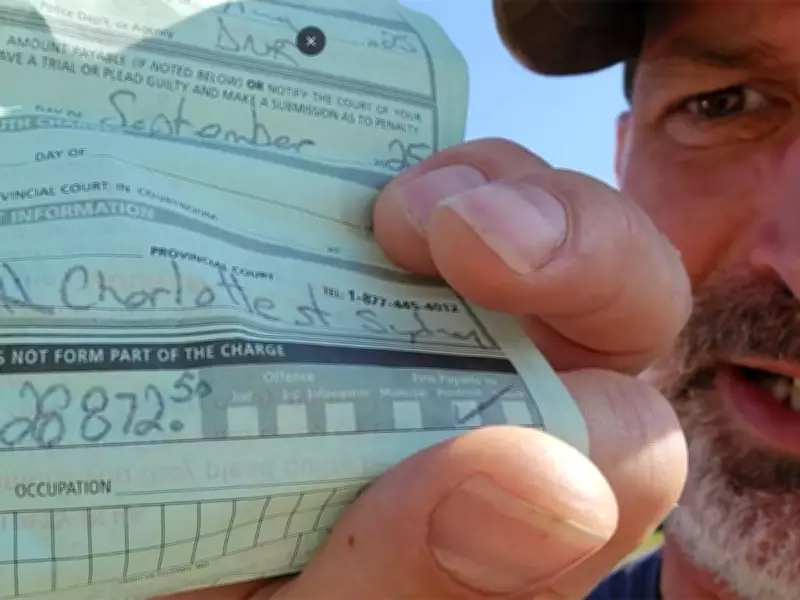
On the 44th anniversary of the Charter of Rights and Freedoms, the Nova Scotia Supreme Court delivered a landmark ruling in favor of Jeffrey Evely, a retired master warrant officer who challenged the province's near-total ban on forest access. The ban, imposed in August 2025 under the pretext of wildfire prevention, prohibited activities such as hiking, picnicking, fishing, swimming, camping, and birdwatching across most of the province's woodlands.
A Victory for Mobility Rights
The court found that the ban substantially restricted the mobility rights guaranteed under Section 6 of the Charter. Justice John Bodurtha ruled that the government had failed to consider Charter rights when enacting the ban, noting that no reference to the Charter appeared in the documents presented to the minister before the decision was made. This omission contravened the requirements set out by the Supreme Court of Canada in Taylor v. Newfoundland and Labrador (2026 SCC 5), which affirmed that mobility rights are fundamental to personal freedom.
Evely's Challenge
Jeffrey Evely, who served in Afghanistan and Iraq, received a $28,872.50 fine for walking in the woods near Coxheath, Cape Breton. He deliberately disobeyed the ban to challenge it in court, describing the measure as Orwellian and an affront to human dignity. Evely argued that the ban exacerbated his PTSD symptoms, as he relied on daily walks in the woods for therapy and medication management. The court agreed that the restriction was not only unreasonable but also disproportionately affected individuals who depend on outdoor activities for their well-being.

Vague and Overbroad
The court also criticized the definition of "woods" under the Forests Act as unacceptably vague. The term encompassed bogs, muskeg, rock barrens, and even land without trees but with evidence of past forest occupancy. This ambiguity left Nova Scotians in an "interpretative quandary," as they could not reasonably determine where the ban applied. The court questioned how staying out of a wet bog could mitigate fire risk.
Broader Implications
This ruling reaffirms the importance of Charter rights in the face of government overreach. The court emphasized that while public safety is a valid concern, restrictions on fundamental freedoms must be carefully tailored and justified. The decision sends a clear message that governments cannot impose sweeping bans without considering their impact on constitutional rights.
The case is seen as a victory for common sense and individual liberty, echoing historical principles dating back to the Magna Carta of 1215, which recognized the ancient right to move freely. As Evely stated, the ban was a moral injury to veterans and all Canadians who value their freedoms.