One of the biggest challenges affecting democracy in Alberta is that a fraction of Albertans is influencing governance within the province. There must be safeguards to ensure politicians are accountable to all Albertans rather than only their core voter base, which can unduly influence the direction of Alberta through the threat of removal via leadership reviews.
Over the past several decades, Alberta conservatives have formed the majority governing party, except for one term. None of the leaders within the Progressive Conservatives or the United Conservative Party has finished a full term since Ralph Klein in the early 2000s. Political parties here are also susceptible to being taken over by activists.
In 2022, the Take Back Alberta movement gained control of the elected board positions of the UCP. It further strengthened its control at the AGM in 2023. This movement took credit for removing Jason Kenney as premier and was largely based on grievances over COVID mandates. This led to the UCP firing the AHS board, restructuring the entire health system, and is the reason Albertans now have to pay for a COVID shot.

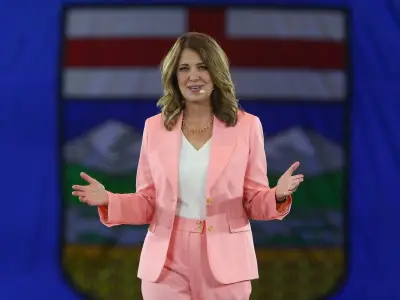
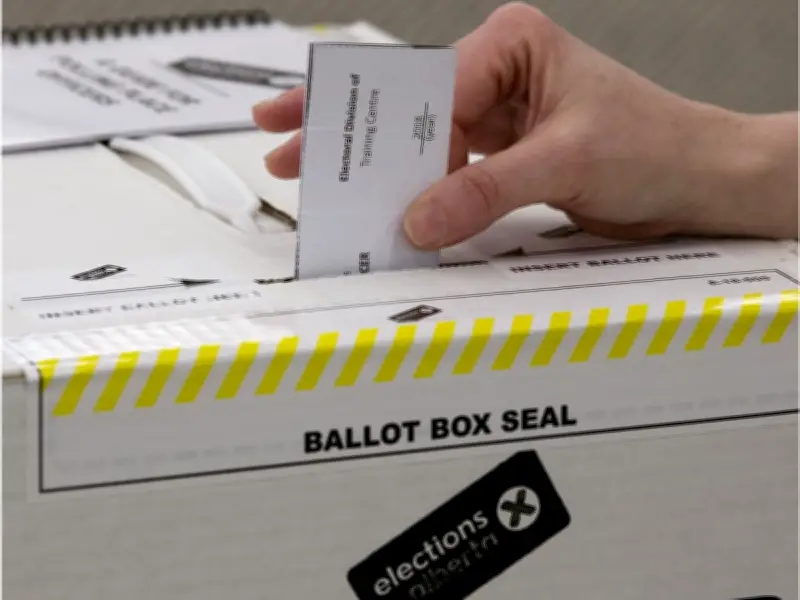
To further this point, during the latest AGM in 2025, more than half of the UCP board members elected were pro-separatist candidates, along with the president. This may be why Premier Danielle Smith removed several barriers to a referendum vote on separation, making it onto the October ballot.
The UCP amended its own legislation by lowering the required signature threshold for citizen initiatives, removing the restriction on having only one question on the topic, disregarding the requirement that citizen initiative questions be constitutional, appealing court decisions on the duty to consult and ultimately putting forward a government-sponsored question on the ballot.
After Smith was elected leader of the UCP, policies were put forward during the 2023 election year. These ranged from $10-a-day child care to public health-care guarantees. After the UCP was elected, however, proposed bills often seemed to veer toward more controversial issues, ranging from the creation of a provincial police service to parental rights legislation.
These measures were largely backed by resolutions at the UCP AGM, where around 4,000 UCP members, roughly 0.08 per cent of Albertans, decided the direction of the province.
Multiple polling firms show that Albertans disagree with the UCP’s governance. Leger, in April, found only 37 per cent of Albertans said the province was headed in the right direction, compared to 56 per cent who said it was on the wrong track. In March, Angus Reid found similar results, with 38 per cent saying Alberta was headed in the right direction compared to 52 per cent opposed. Abacus Data, in February, found just 30 per cent said Alberta was headed in the right direction, compared to 56 per cent who disagreed.
If the past repeats itself, UCP legislation will likely appeal more to Albertans’ concerns during the lead-up to the next election. However, if the party is re-elected, it will likely shift back to appeasing the voter base that controls the confidence votes.