In a recent analysis, CTV's political analyst Sharan Kaur asserts that the 14 Liberal MPs who publicly dissented against the Carney-Smith deal must fully own their stance. This development has significant implications for the Liberal Party's internal dynamics and the upcoming national budget vote.
The Significance of the Carney-Smith Deal
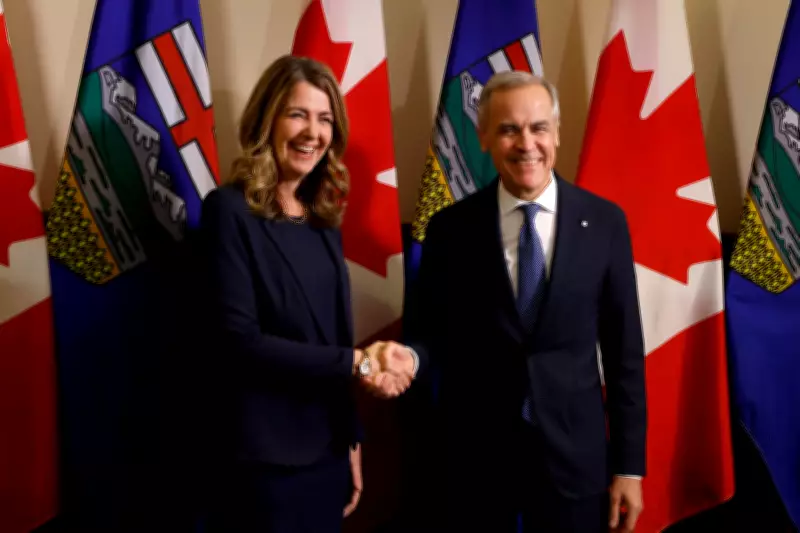
The Carney-Smith deal, a major projects agreement, has been a focal point of political debate. Kaur emphasizes that the dissent from within the Liberal ranks reflects deeper ideological divides and could influence the party's cohesion. The deal is seen as crucial for economic growth, but its approval hinges on party unity.
Implications for the National Budget
Kaur believes that despite the dissent, the national budget will likely pass. She points to strategic negotiations and the need for stable governance. However, the dissenting MPs may face repercussions or be required to align with party leadership to ensure legislative success.

The 14 MPs, whose identities have been a subject of speculation, represent a faction that challenges the leadership's direction. Their dissent has sparked discussions about accountability and the role of individual conscience in party politics. Kaur argues that owning their dissent is not only a matter of integrity but also a step toward transparent governance.
This incident mirrors broader trends in Canadian politics, where internal dissent often shapes policy outcomes. As the budget vote approaches, all eyes will be on how the party manages this rift and whether the dissenting MPs will ultimately support the legislation.
In conclusion, Sharan Kaur's analysis underscores the importance of accountability in political dissent. The 14 Liberal MPs must navigate their positions carefully, balancing personal convictions with party obligations. Their actions will likely set a precedent for future internal debates within the Liberal Party.