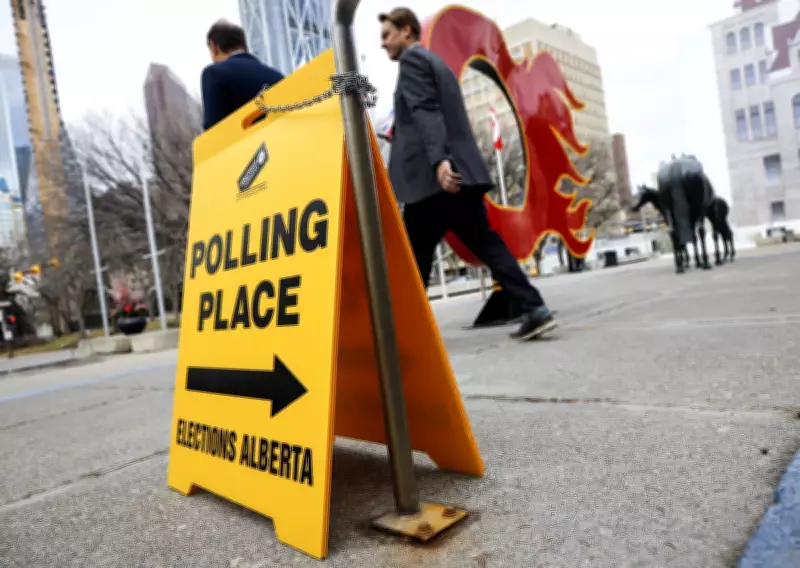
Elections Alberta Highlights Logistical Hurdles in Electoral Boundary Redraw
Elections Alberta has issued a stark warning regarding the redrawing of provincial electoral boundaries, stating that the process presents a challenging and compressed timeline that could strain resources and require meticulous coordination. The electoral agency emphasized that any boundary adjustments must be carefully managed to uphold the integrity of the democratic process and ensure equitable representation for all Albertans.
Tight Schedule and Operational Complexities
The proposed redraw involves a series of complex steps, including public consultations, data analysis, and legislative approvals, all of which must be completed within a limited timeframe. Elections Alberta officials have noted that the timeline is particularly tight, potentially leading to logistical bottlenecks if not handled with precision. This urgency is compounded by the need to incorporate demographic changes, such as population shifts and growth in urban areas like Calgary, which may necessitate boundary modifications to maintain fair voting districts.
"The process demands a high level of accuracy and transparency," an Elections Alberta spokesperson explained. "We are committed to ensuring that every vote counts, but the condensed schedule adds pressure to our operations." The agency is calling for proactive planning and adequate funding to mitigate risks, such as delays in voter registration or confusion during elections.

Implications for Voters and Political Landscape
Redrawing electoral boundaries can have significant implications for voters and political parties, as it may alter constituency maps and affect electoral outcomes. In Alberta, where political dynamics are often closely contested, any changes could reshape the provincial landscape. Experts warn that a rushed process might lead to disputes or legal challenges, underscoring the importance of a methodical approach.
Key considerations in the redraw include:
- Ensuring population equality across districts to adhere to representation-by-population principles.
- Addressing community interests and geographic factors, such as rural-urban divides.
- Incorporating feedback from stakeholders through public hearings and consultations.
- Aligning with federal and municipal boundaries to avoid voter confusion.
Elections Alberta is urging policymakers and the public to engage in the process early to facilitate a smooth transition. The agency plans to release detailed guidelines and timelines in the coming months, with the goal of completing the redraw before the next provincial election to avoid disruptions.
Broader Context and Historical Precedents
This is not the first time Alberta has faced challenges in electoral boundary adjustments. Past redraws have often sparked debates over fairness and representation, particularly in fast-growing regions. Learning from previous experiences, Elections Alberta aims to implement best practices, such as using advanced data analytics and inclusive consultation methods, to navigate the current timeline constraints.
The outcome of this process will be critical for Alberta's democratic health, as it determines how voters are grouped into constituencies for years to come. With the clock ticking, all eyes are on Elections Alberta to deliver a balanced and efficient solution that upholds the core values of democracy.