Alberta Premier Defends Electoral Map Redraw Plan Amid Backlash
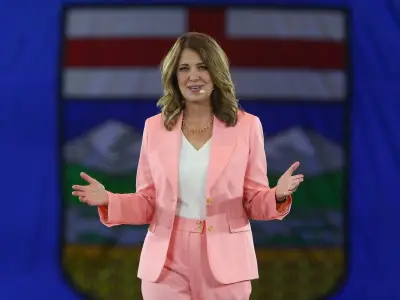
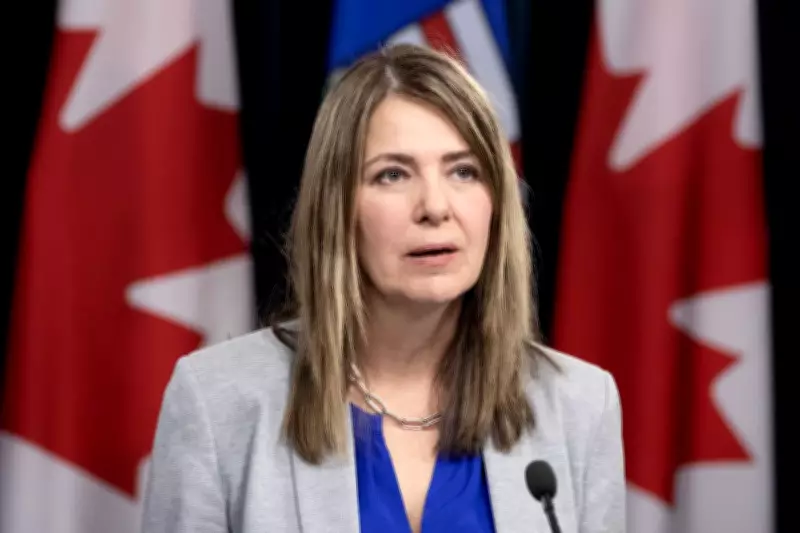
Premier Danielle Smith stressed the critical need for rural representation on Friday, while simultaneously defending her government's controversial plan to add two additional seats to Alberta's electoral map. The proposal has faced significant backlash from Opposition New Democrats and a former boundaries commission member, who have openly questioned the government's approach and motivations.
Reopening the Electoral Mapping Process
On Thursday, the provincial government officially reopened the process of crafting Alberta's electoral map ahead of the next scheduled election in the fall of 2027. This decision comes after considerable debate about representation balance across the province's diverse geographic regions.
Speaking at a news conference on Friday, Premier Smith clarified that her government was accepting the map endorsed by the majority of the independent Electoral Boundaries Commission (EBC). However, she acknowledged that adding two seats to that map would inevitably trigger multiple boundary adjustments affecting numerous other ridings throughout the province.

"They'll look at all of the information and all of the submissions from everybody, and then they'll find a way to add back those two additional ridings and then make some of the adjusting changes that will take place," Smith explained regarding the government-majority committee of MLAs that will oversee the upcoming boundaries review.
Rural Representation Concerns
The premier pointed specifically to comments from EBC chair Justice Dallas Miller, who submitted a subsequent recommendation—though not supported by other committee members—that the two electoral divisions from outside Edmonton and Calgary removed in the original boundary commission report should be restored. Smith emphasized that this approach addresses legitimate concerns about rural representation in the provincial legislature.
"If you understand just how difficult it is to try to represent some of these very geographically diverse ridings with multiple different municipalities and school boards," Smith stated, highlighting the unique challenges faced by rural representatives.
Miller's recommendation included four specific conditions about where potential changes should originate, including some Edmonton ridings reverting to what was proposed in the EBC's interim report. The addendum to the recommendation also notes that "the rest of the province as we propose must be maintained to the (best) extent possible."
Legislative Changes and Political Response
The recommendation further calls on MLAs to amend the Electoral Divisions Act to add two more electoral divisions, building upon similar legislation passed in 2024 that increased the total to 89 seats. The upcoming process will ultimately result in 91 seats in the legislature—two more than the initial legislation called for, and four more than the current status quo.
Smith described adding the two rural seats as a "reasonable solution" to representation concerns, while also addressing the controversial minority report that Justice Miller had suggested could be unconstitutional. The premier stated that her government had rejected that minority report but described their current approach as one that would "bridge the gap between the two" competing perspectives.
The government-majority committee of MLAs will be responsible for selecting members of a new independent advisory panel. This panel will then undertake the complex task of re-adding the two electoral divisions to the majority map while managing the subsequent cascade of adjustments to other electoral boundaries throughout Alberta.
As the process moves forward, the debate continues between those advocating for enhanced rural representation and critics questioning the timing and methodology of the electoral map revisions. The outcome will significantly shape Alberta's political landscape for the 2027 provincial election and beyond.