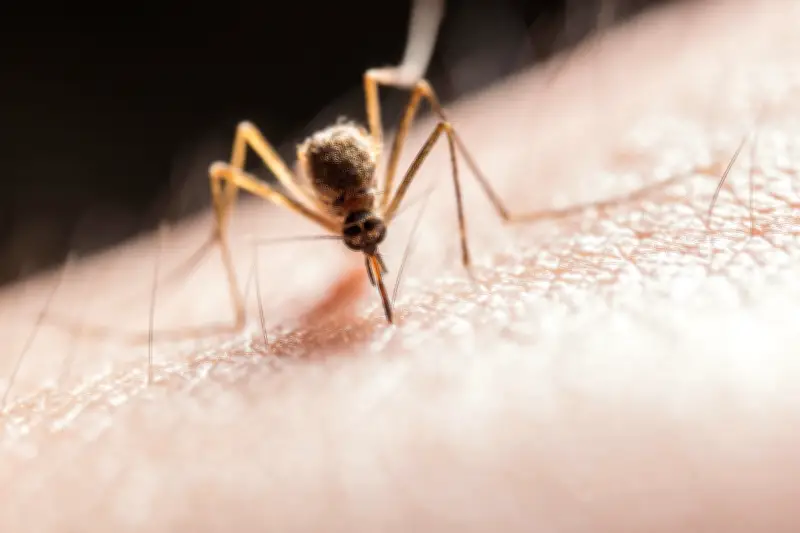
A dead crow discovered in Guelph has tested positive for West Nile virus, according to public health officials. The detection serves as an early warning for the community to protect themselves from mosquito bites, as the virus is transmitted through infected mosquitoes.
Health officials urge vigilance
Wellington-Dufferin-Guelph Public Health confirmed the positive test result, emphasizing that while the risk of infection remains low, residents should take preventive measures. The virus can cause serious illness in some cases, particularly among older adults and those with weakened immune systems.
Officials recommend eliminating standing water around homes, using insect repellent containing DEET, and wearing protective clothing during dawn and dusk when mosquitoes are most active. They also advise ensuring window screens are intact to prevent mosquitoes from entering homes.

West Nile virus symptoms
Most people infected with West Nile virus do not develop symptoms. However, about 20% may experience fever, headache, body aches, joint pain, vomiting, diarrhea, or rash. In rare cases, severe neurological illness such as encephalitis or meningitis can occur, requiring immediate medical attention.
Public health will continue monitoring mosquito populations and dead birds for further signs of the virus. Residents are encouraged to report dead crows, blue jays, or ravens to the local health unit for testing.