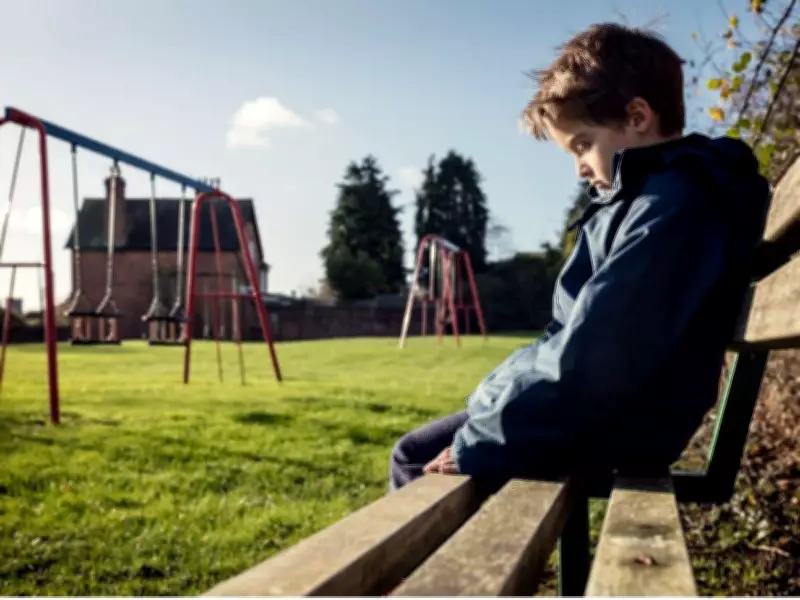
At a recent infectious disease conference, a seasoned colleague confided, 'On many days, I don't feel like a pediatrician anymore. I feel more like a social worker, psychologist, or even a sociologist.' This sentiment is particularly relevant when addressing the issue of loneliness in children.
The Overlooked Epidemic of Childhood Loneliness
Loneliness among children is an often-overlooked issue that has become increasingly common. Studies indicate that up to 80% of children experience loneliness at some point. A grandparent recently remarked, 'The more connected we are, the more disconnected we have become,' highlighting the paradox of digital connection leading to emotional disconnection.
Causes Beyond Technology
While excessive technology plays a significant role, other factors contribute to this growing problem. Academic pressures have intensified, leaving children with less time for socializing and increasing fatigue from stress and long study hours. Family dynamics have also shifted, with parental alienation and high-conflict divorces becoming more prevalent. A psychologist specializing in high-conflict divorces noted, 'My job is to teach parents to love their child more than they hate each other.'

Bullying and Superficial Friendships
Children who are bullied or excluded by peers face a higher risk of loneliness. Many struggle to find supportive friendships. A tragic case involved a teenage boy who told his parents, 'I have no friends,' and later died by suicide. At his funeral, several students claimed to have been his friends, revealing that he had superficial connections but yearned for deeper bonds.
Changing Family and Social Structures
Extended family connections, once a cornerstone of social development, have diminished as families live farther apart. Many parents work multiple jobs to cope with economic pressures, leading to caregiver unavailability. Single parents, in particular, face the sting of inflation, making parenting feel like a marathon run uphill against the wind.
Consequences of Unaddressed Loneliness
When parents are unaware of their child's loneliness, the risk of depression, anxiety, aggression, emotional dysregulation, academic struggles, social withdrawal, and low self-esteem increases. As one author noted, love is spelled T-I-M-E. Spending quality time with children and teens is more critical than ever, providing the emotional support that can save lives and reduce suicide risk.