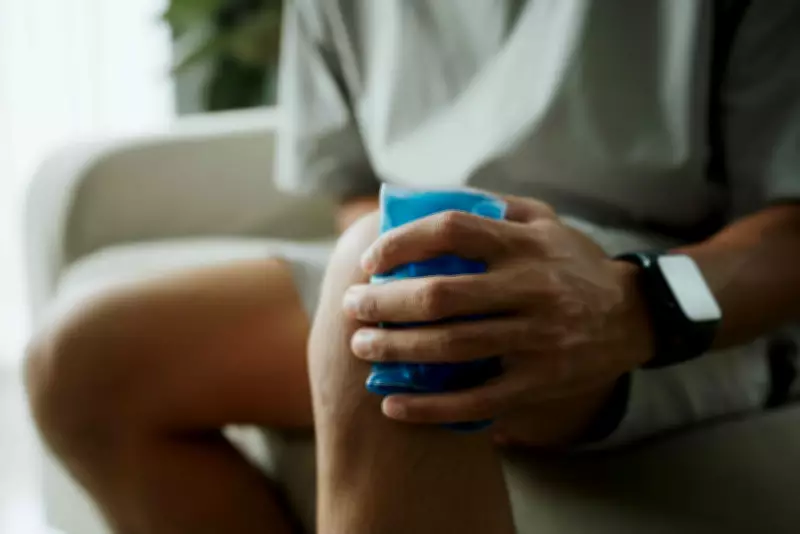
A groundbreaking study from McGill University has turned conventional sports medicine on its head, suggesting that the common practice of icing injuries may actually prolong pain and delay recovery. The research, published in a leading medical journal, indicates that applying ice to acute sports injuries could interfere with the body's natural healing processes.
Key Findings of the Study
The McGill team, led by Dr. Alexandre Dumont, found that icing reduces inflammation, which is a crucial part of the healing response. While inflammation can cause swelling and discomfort, it also triggers the release of growth factors and immune cells that repair damaged tissue. By suppressing this process, ice may inadvertently slow down recovery.
Implications for Athletes
For athletes and active individuals, this means that reaching for an ice pack after a sprain or strain might not be the best course of action. Instead, the study suggests that gentle movement and compression could be more effective. The researchers recommend a shift from the traditional RICE method (Rest, Ice, Compression, Elevation) to a new approach that emphasizes mobility and active recovery.

Expert Reactions
Sports medicine professionals have reacted with cautious interest. Dr. Sarah Mitchell, a physiotherapist at the University of Toronto, noted, 'This study challenges decades of accepted practice. While more research is needed, it opens up new possibilities for treating injuries more effectively.'
Practical Advice
For those currently recovering from an injury, the study advises consulting with a healthcare provider before changing treatment routines. However, for new injuries, the authors suggest using ice sparingly, if at all, and focusing on gentle movement to promote blood flow and healing.
The study has sparked debate in the medical community, with some experts cautioning against abandoning ice entirely. They point out that ice can be beneficial for pain relief in the immediate aftermath of an injury. Nevertheless, the McGill research provides compelling evidence that less can be more when it comes to recovery.