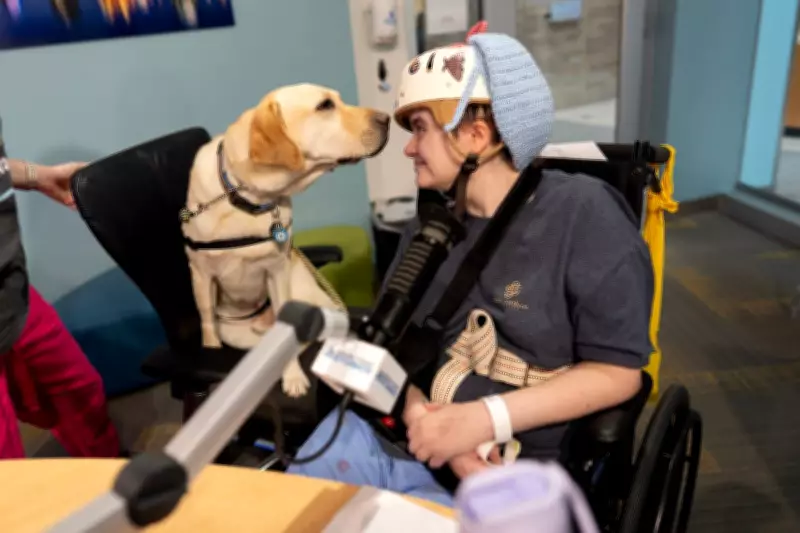
In a heartwarming trend, more children's hospitals across the United States are turning to furry caregivers to help young patients heal. These specially trained facility dogs, like Grover at Cincinnati Children's Hospital, provide comfort and emotional support to children undergoing treatment.
The Role of Facility Dogs
Facility dogs are not just pets; they are highly trained professionals that work alongside medical staff. They help reduce anxiety, encourage physical activity, and provide a sense of normalcy in a clinical environment. At Cincinnati Children's Hospital, Grover assists in various activities, including producing a closed-circuit television show that is beamed into patient rooms.
Benefits for Patients
Research has shown that interaction with therapy dogs can lower stress hormones, reduce pain perception, and improve overall mood. For children facing long hospital stays or painful procedures, these dogs offer a welcome distraction and a source of unconditional love.

Growing Popularity
The use of facility dogs is becoming more common in pediatric care. Hospitals are investing in these programs, recognizing the positive impact on patient outcomes and family satisfaction. The dogs are carefully selected and undergo extensive training to ensure they can handle the demands of a hospital setting.
How It Works
Facility dogs are typically placed in specific departments, such as oncology, rehabilitation, or intensive care. They work with a handler, often a child life specialist or nurse, who integrates the dog into therapeutic activities. The dogs may visit with patients individually or participate in group sessions.
Training and Certification
Organizations like Canine Companions for Independence and Therapy Dogs International provide rigorous training and certification for facility dogs. The dogs learn to remain calm in stressful situations, respond to commands, and interact safely with children of all ages.
Conclusion
As more hospitals adopt these programs, the bond between humans and animals continues to prove its therapeutic value. For children like Kira Hodge, who worked with Grover on a TV show, the experience can be transformative. The wagging tails and gentle nuzzles are more than just cute—they are powerful tools in the healing process.