High cholesterol is a widespread issue across the United States. According to the Centers for Disease Control and Prevention, two in five American adults have high cholesterol, increasing their risk of stroke and heart attack.
Cholesterol is a waxy substance that circulates in the blood. While it is necessary for building cells and producing hormones, excess cholesterol can lead to health problems. For instance, too much cholesterol in the blood is a primary contributor to atherosclerosis, explains Dr. Eleonora Avenatti, a preventive cardiologist at Houston Methodist Hospital. Atherosclerosis is the buildup of plaque inside blood vessels.
"If you think of your blood vessels as pipes that deliver blood to your organs—your heart, brain, and kidneys—over time, cholesterol can create plaque inside these pipes, impairing blood flow. This can lead to heart attacks, strokes, and kidney dysfunction," Avenatti says.

Foods to Avoid with High Cholesterol
Full-Fat Dairy
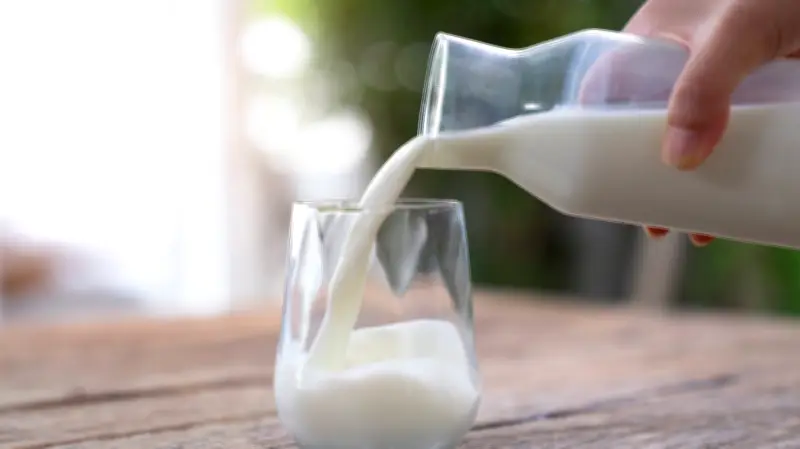
Full-fat dairy products are high in saturated fat, which can raise LDL ("bad") cholesterol. "Saturated fat can reduce your body's ability to clear out bad cholesterol," explains Beth Auguste, a registered dietitian in Philadelphia. "It affects the liver's ability to break down bad cholesterol." To reduce saturated fat intake, choose lower-fat dairy options like fat-free yogurt or kefir, which still provide essential nutrients such as magnesium, calcium, and vitamin D. Adding healthy unsaturated fats, like almonds or chia seeds, to fat-free yogurt or cottage cheese can also be beneficial.
Red Meat
Red meat—beef, pork, and lamb—is high in saturated fat, making it difficult for the body to process cholesterol. While it doesn't need to be eliminated entirely, those with high cholesterol should limit their intake. Auguste suggests using meat as a garnish and incorporating beans, quinoa, or lentils as alternative protein sources.
Skin on Meat
Meat skin, whether from chicken, turkey, or pork, is also high in saturated fat. Opt for skinless poultry, fish, legumes, and tofu to maintain muscle mass and support heart health. Look for skinless ground meats as well.
Highly Processed Foods
Ultra-processed foods, such as smoked sausages and chips, are best avoided. These foods are typically high in unhealthy fats and salt but low in fiber, vitamins, and minerals. "If patients crave a meaty flavor, I recommend steak over processed sausages, which lack nutritional balance," Avenatti says. Major cardiovascular societies recommend a whole-food diet over ultra-processed foods.
Fried Foods
Fried foods, including fried chicken, doughnuts, and french fries, often contain trans fats, which increase bad cholesterol and heart disease risk. Check ingredient labels for partially hydrogenated oils to identify trans fats.
Other Heart Health Priorities
While diet is important, genetics play a significant role in cholesterol levels. "Most cholesterol in the blood is produced by the body, not from food," Avenatti explains. Eating patterns matter more than individual foods; moderation is key. For those with high triglycerides, dietary choices have a more direct impact. Avoid processed foods, fried foods, butter, full-fat dairy, and refined carbohydrates. Adding fiber to meals, such as mixing white beans into pasta or choosing chickpea pasta, can help manage triglycerides.
For some, medication may be necessary. Statins are common, but alternative options exist. If you experience side effects, consult your doctor about alternatives. Overall, a heart-healthy lifestyle includes exercise, nutritious food, adequate sleep, and medication management. The American Heart Association's Life's Essential 8 guidelines provide a comprehensive approach to cardiovascular health.