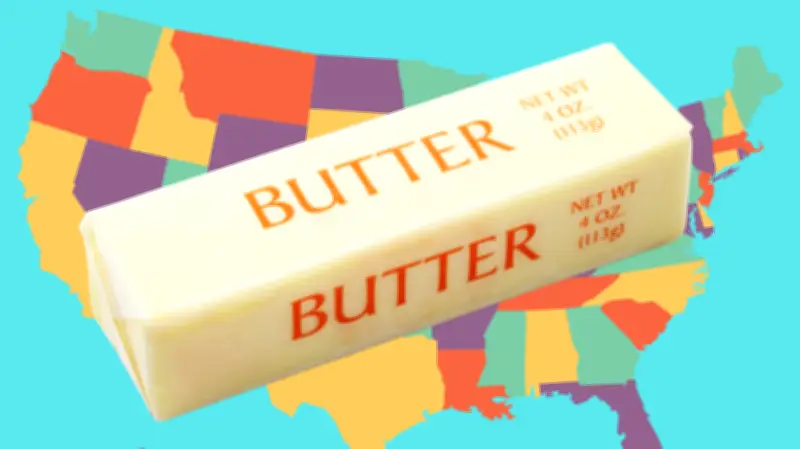
A tweet about butter has sparked a revelation that has left many people questioning their dairy knowledge. In January 2022, Cabel Sasser, co-founder of Panic Inc., shared an advertisement for a butter dish that claimed to accommodate both "West & East Coast butter." The ad featured two differently shaped sticks, prompting Sasser to tweet, "i'm sorry, what." The post quickly went viral, with many expressing surprise that such a regional difference exists.
The Butter Divide
The product in question, called Butter Hub, is designed to solve everyday problems for butter users with features like a magnetic lid and scoop ramps. But the real shocker was the revelation that butter sticks on the East Coast are long and narrow, while those on the West Coast are shorter and wider, often referred to as "stubbies." This difference stems from historical manufacturing practices.
Historical Origins
In the early 20th century, butter was typically sold in 1-pound blocks. In 1907, a New Orleans chef requested quarter-pound sticks from his supplier, Swift & Co., leading to the creation of the Elgin stick, named after the Elgin Butter Co. in Illinois. The Elgin Butter Cutter standardized this shape, which became dominant on the East Coast. However, when the West Coast ramped up dairy production in the 1960s, it used newer equipment that produced stubbier sticks. John Bruhn, former director of the Dairy Research and Information Center at UC Davis, explained that the different machinery led to the regional variation.

Modern Implications
Today, the difference persists, causing confusion for transplants and bakers alike. Some butter dishes are now sold in multiple sizes to accommodate both shapes, and online retailers like Amazon offer maps to help customers choose the right one. Despite the shape difference, each stick still contains the standard 8 tablespoons of butter, so recipes remain consistent as long as measurements are accurate.
This buttery divide serves as a reminder of how regional history can shape everyday products. Whether you prefer Elgin sticks or stubbies, the next time you bake, you can rest assured that your butter will work just fine.