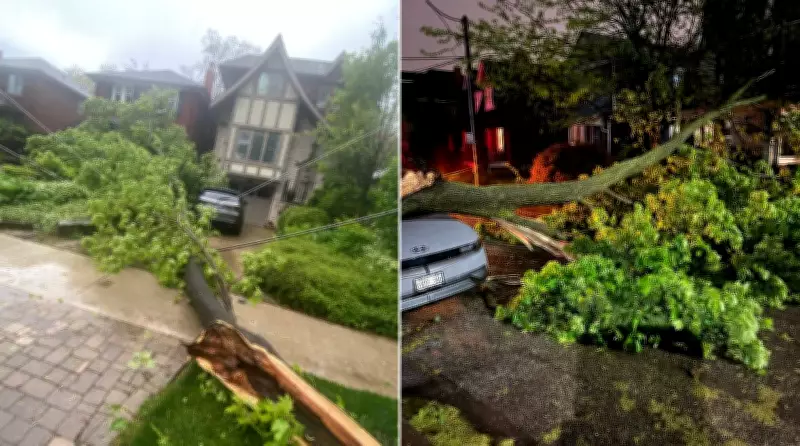
Toronto is undertaking a massive cleanup operation following a severe rainstorm that struck the city on Saturday, triggering 672 emergency incidents. The storm, which brought intense rainfall and strong winds, caused widespread flooding, downed trees, and power outages across the Greater Toronto Area.
Emergency Response and Impact
Toronto Hydro reported numerous downed trees that damaged power lines, leaving thousands of residents without electricity. Emergency crews responded to incidents ranging from flooded basements to road closures due to debris. The city's drainage systems were overwhelmed in several areas, leading to street flooding that disrupted traffic and public transit.
According to officials, no fatalities were reported, but several individuals required rescue from stranded vehicles and flooded homes. The storm also caused significant damage to property, with some neighborhoods experiencing water intrusion and structural issues.

Cleanup Efforts Underway
City crews, including Toronto Hydro workers and emergency services, have been deployed to clear debris, restore power, and assess damage. Residents are advised to avoid affected areas and report any hazards. The cleanup is expected to continue for several days as crews work to remove fallen trees and repair infrastructure.
Toronto's mayor urged residents to stay patient and assured that all resources are being utilized to expedite the recovery process. The city has also set up temporary shelters for those displaced by the storm.
Weather Context and Warnings
The storm was part of a larger weather system that moved through southern Ontario, bringing record rainfall in some areas. Environment Canada had issued a severe thunderstorm warning ahead of the event, but the intensity surpassed initial forecasts. The storm's rapid development caught many off guard, highlighting the need for improved early warning systems.
Climate experts note that such extreme weather events are becoming more frequent due to climate change, prompting calls for better urban planning and infrastructure upgrades to handle increased rainfall.
Community Response
Local residents have been assisting each other, with neighbors helping to clear debris and check on vulnerable individuals. Social media has been used to coordinate volunteer efforts and share information about road closures and available resources. The city has also activated its emergency operations center to coordinate the response.
As Toronto recovers, officials are conducting damage assessments to determine the full extent of the storm's impact. The cleanup operation serves as a reminder of the challenges posed by extreme weather and the importance of community resilience.