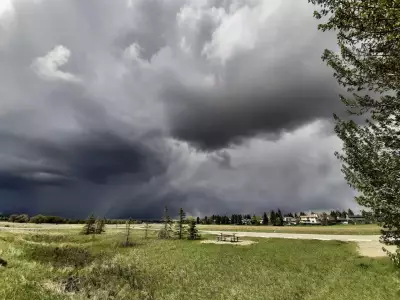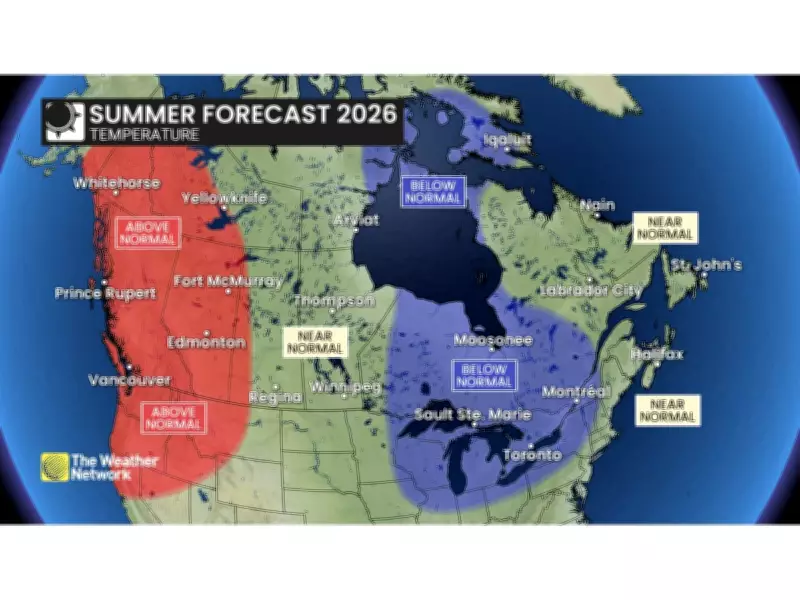
Canada's transition from winter to summer has been particularly turbulent this year, with most regions experiencing an early taste of midsummer heat followed by a spring filled with detours and delays. The question on many minds is whether the changeable pattern will persist through the summer months.
Summer Forecast Overview
According to The Weather Network's Summer Forecast for June, July, and August, western Canada is expected to experience a hot summer. In contrast, the rest of the country will see a more variable season, with periods of very warm weather interspersed with cooler and unsettled conditions.
Meteorological Insights
Doug Gillham, Senior Meteorologist with The Weather Network, explained that the global pattern is in a state of upheaval due to a rapid transition from La Niña to what appears to be an exceptionally strong El Niño event. This transition will prevent the summer weather pattern from locking into place, limiting persistent or extreme heat across central and eastern Canada. Western Canada will be an exception, though the heat is not expected to be as intense as in some recent summers.

Drought and Wildfire Concerns
Drought and wildfires are a concern across western and parts of central Canada, as the dominant storm track is expected to remain primarily south of the international border. However, the changeable pattern will still deliver some much-needed rain at times. Showers and thunderstorms will be more frequent from the Great Lakes to Atlantic Canada, but summer will not be a washout, with stretches of dry weather expected.
Regional Breakdown
Ontario and Quebec
After a brief taste of summer in mid-May, the scenic journey to summer will continue through June with extended periods that feel more like late spring. Changeable conditions are expected during July and August. While there will be periods of hot weather, the heat will lack commitment and be offset by cooler conditions at times. As a result, fewer days with temperatures reaching 30 degrees Celsius are expected compared to many recent summers. Below-normal rainfall totals are forecast for parts of northern Ontario, but the rest of the region will see more frequent showers and thunderstorms.
British Columbia
A strong start to summer is expected, with warmer-than-normal temperatures and below-normal rainfall during June. Unfortunately, this will bring an increasing risk for wildfires. Hot and dry conditions should dominate during July and most of August, but the heat is not anticipated to be as extreme or relentless as in some recent summers. The transition to cooler weather should also occur earlier in September than in many recent years.