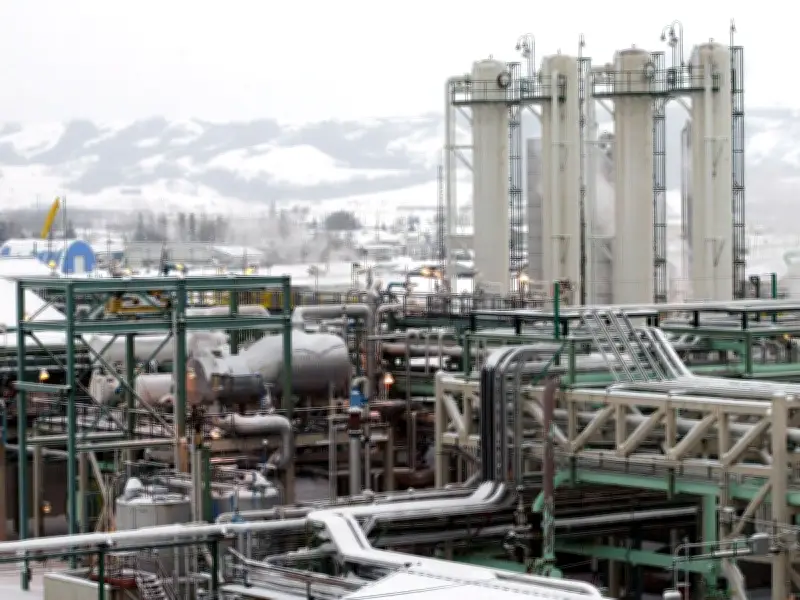
B.C. Hydro has announced it will keep two natural-gas-powered generating stations operational to meet an anticipated electricity shortfall, effectively postponing the province's goal to eliminate fossil-fuel generation by the end of the decade. The utility informed the B.C. Utilities Commission that it requires continued electricity from the Island Generation plant in Campbell River and the McMahon gas plant near Fort St. John to cover a projected 500-megawatt deficit by 2030.
Details of the Filing
In its submission, B.C. Hydro explained that extending operations of the 275-megawatt Island Generation facility and the 120-megawatt McMahon plant would fill 400 megawatts of the shortfall, primarily to meet peak demand. Chris Sandve, Hydro's chief regulatory officer, noted that the utility is engaged in confidential negotiations to secure continued power purchases from these plants, which have historically been used sparingly during peak periods or to supply base load electricity for the oil-and-gas sector.
Sandve stated, "This has resulted in a need for capacity in the early years of the planning horizon, prior to new clean and renewable capacity resources coming into service." The utility's 2025 call for power alone aims to add 1,158 megawatts of capacity, generating 3,500 gigawatt hours annually by 2034. However, rapid growth in electricity demand across North America, driven by power-hungry data centres for artificial intelligence, has shifted priorities.

Economic Considerations
B.C. Hydro emphasized that the risk of a power deficit to the provincial economy outweighs the risk of building surplus generation. The utility cited that electricity needed for new mining activity by 2030 would generate $4 billion in economic activity, equivalent to 1.1% of provincial GDP. This economic imperative has forced a policy shift away from the province's objective of eliminating fossil fuels in electricity generation.
Barry Penner, chair of the Energy Futures Institute and former environment minister, called the move "a belated recognition of economic and energy reality." He added, "I hate to say I told you so, but I've been pointing out the risks associated with eliminating what's left of our natural gas generation in B.C. since 2023." Penner noted that utilities are reaching limits on integrating renewable but intermittent sources without baseload power to balance the grid.
Climate Concerns
Climate advocates have expressed concern that extending the gas plants locks in new sources of fossil-fuel generation, contradicting the province's clean energy goals. The decision underscores the tension between ambitious renewable energy targets and the immediate need for reliable power to support economic growth.