The City of Vancouver intends to create a public "high-risk building inventory" to help reduce earthquake risk in private buildings, marking the first such move after decades of failed efforts. This initiative is one component of a five-year plan passed by city council this week, which includes as its first priority the formation of a technical working group to guide the strategy.
First Concrete Plan for Private Buildings
Although it will take time to develop the inventory, establish a voluntary seismic retrofit program that supports incremental upgrades, and determine incentives such as fee waivers, tax relief, and grants to accelerate work, this marks the first time Vancouver has created a concrete risk-reduction plan targeting private buildings. The city intends to implement this plan fully.
Micah Hilt, the city's lead seismic policy planner, called it a significant step forward. "This is the big step forward," Hilt said Thursday. "This is a massive place to get to for any city."

Inventory to Underpin the Plan
The high-risk building inventory, consisting of ratings for each building, is designed to underpin the plan instead of requiring mandatory retrofits, which Vancouver will not use. In a report to council, city officials stated that the public inventory will sharpen understanding of risk, improve policy and program development, and allow for more targeted funding requests to senior governments. Critically, they noted, the inventory would advance public awareness, thereby facilitating lasting support for risk reduction.
Public inventories of seismic-at-risk buildings are used worldwide, including in California and New Zealand. Seattle has also produced an inventory of unreinforced brick buildings viewable by the public.
Buildings at Risk
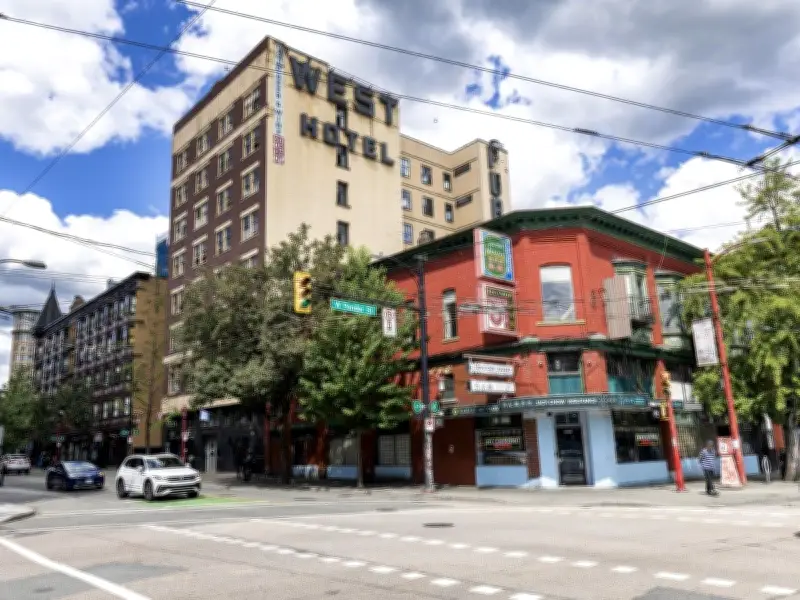
Vancouver's inventory will cover all building types at high risk, including older mid-rise and highrise apartment and commercial buildings, as well as wood-frame apartment and commercial buildings. A 2024 report commissioned by the city found that high-risk buildings are concentrated in the West End, Downtown Eastside, Chinatown, Strathcona, downtown, Kitsilano, Fairview, and Mount Pleasant neighbourhoods.
The study also revealed that the most at-risk buildings contain nearly all of the city's purpose-built rental units, including those for low-income tenants and seniors, as well as small businesses serving neighbourhoods.
Devastating Earthquake Potential
Recent computer modelling has shown that a major earthquake would be devastating and deadly for Vancouver. The modelling estimates that a magnitude 7.2 earthquake in the Strait of Georgia could heavily damage 6,100 buildings in the city, leading to more than 1,350 deaths and severe injuries.