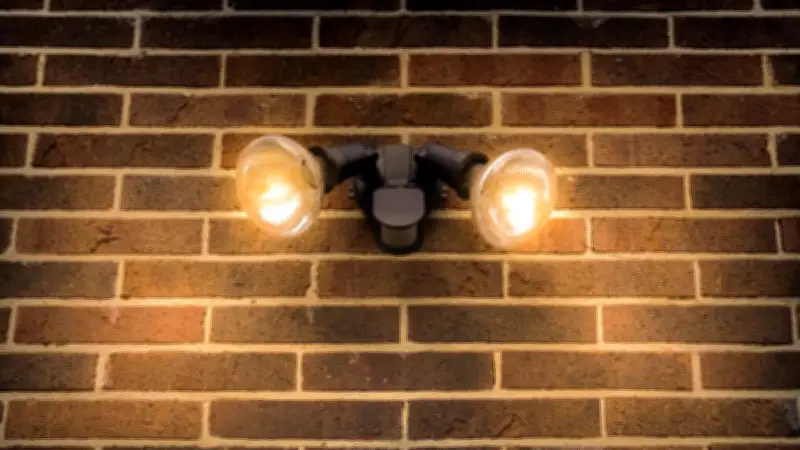
An Ottawa city councillor is calling on the city to explore a new bylaw aimed at reducing light pollution, a move that could transform the nighttime landscape of the capital. The proposal, which seeks to limit excessive artificial lighting, is intended to protect the environment, reduce energy consumption, and improve residents' quality of life.
Why Light Pollution Matters
Light pollution, the brightening of the night sky caused by artificial light, has been linked to negative impacts on wildlife, human health, and astronomical observation. According to experts, it disrupts ecosystems, interferes with sleep patterns, and wastes significant amounts of energy. The councillor emphasized that Ottawa has an opportunity to join other cities in adopting measures to mitigate these effects.
Proposed Measures
The bylaw would likely include restrictions on outdoor lighting fixtures, requiring them to be shielded and directed downward to minimize glare and sky glow. It may also set limits on the brightness and hours of operation for commercial and residential lighting. The councillor suggested that the city could start by targeting non-essential lighting, such as decorative displays and vacant building illumination.

"This is about being responsible stewards of our environment and our resources," the councillor said. "We can have safe, functional lighting without flooding the sky with wasted light."
Community and Expert Support
Local environmental groups and astronomers have praised the initiative. The Royal Astronomical Society of Canada's Ottawa chapter noted that reducing light pollution would enhance stargazing opportunities and protect nocturnal animals. "Ottawa's night skies have become increasingly washed out," said a spokesperson. "A bylaw would be a significant step forward."
Residents have also voiced support, particularly those in suburban areas where bright streetlights and commercial signs often shine into homes. "It's hard to sleep with all that glare," said a Kanata resident. "I hope the council moves forward with this."
Challenges Ahead
However, the proposal faces potential hurdles, including concerns from businesses about costs and safety. Some argue that brighter lighting deters crime, though studies have shown that well-designed, targeted lighting can be equally effective. The councillor acknowledged these concerns and called for a balanced approach that includes public consultation.
"We need to work with businesses and residents to find solutions that work for everyone," they said. "This isn't about turning off all lights—it's about using light smarter."
The city council is expected to debate the proposal in the coming months, with a potential pilot project in select neighborhoods. If approved, Ottawa would join a growing list of municipalities worldwide adopting light pollution regulations, including Paris, Tucson, and parts of Ontario like Muskoka.