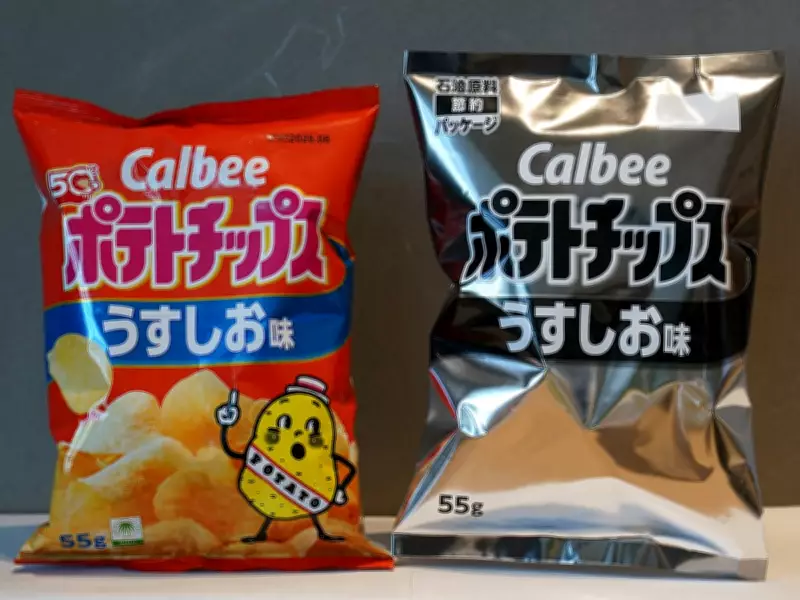
The ripple effect of the nearly three-month Iran war has moved beyond oil markets and now impacts everyday consumer goods. From monochrome potato chip bags to 'Diet Coke parties,' here are five ways the conflict in the Middle East is disrupting global supply chains.
1. Snack Pack Ink
Japanese snack packaging is losing its vibrancy due to a shortage of naphtha, a petroleum-derived ink ingredient. Calbee, Japan's largest snack maker, announced on May 25 that 14 product variants—including potato chips, Kappa Ebisen snacks, and Frugra cereal—will temporarily switch to black-and-white packaging. The company cited supply instability from Middle East tensions, particularly the blockade of the Strait of Hormuz, which has been effectively closed since March 2. Japan imports nearly half of its naphtha from the Middle East via this strait. The shortage also affects plastic production, car makers, and paint manufacturers, though a Japanese cabinet official assured that necessary quantities are secured.
2. Diet Coke
In India, Diet Coke—sold only in cans—is becoming scarce due to an aluminum shortage linked to the Iran war. The Gulf region accounts for roughly nine percent of global aluminum production. Suppliers report that orders are going unfulfilled, leading to 'Diet Coke parties' where revellers pay $10-$16 entry fees to enjoy Diet Coke-centric drinks and activities.

3. Helium
Helium shortages are affecting industries from medical imaging to party balloons. Iran's conflict has disrupted production and transportation of helium, which is often extracted as a byproduct of natural gas. The Strait of Hormuz blockade has exacerbated the issue, leading to price spikes and rationing in some regions.
4. Smartphone Components
The war has caused delays in the supply of rare earth metals and other components essential for smartphone manufacturing. Many of these materials are sourced from or shipped through the Middle East. Companies like Samsung and Apple have warned of potential production slowdowns and price increases.
5. Restaurant Kitchens
Restaurants worldwide are facing shortages of cooking oils, spices, and imported ingredients due to disrupted shipping routes. Olive oil from the Mediterranean and sesame seeds from the Middle East are particularly affected, forcing menu changes and price hikes.