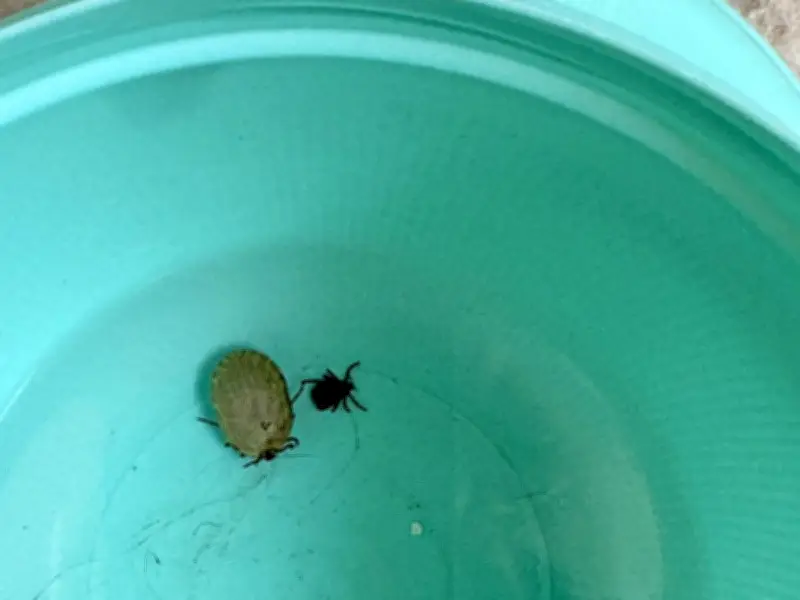
Edmonton and surrounding areas are experiencing a rise in tick populations, some of which can transmit debilitating Lyme disease, according to a University of Alberta entomologist. Janet Sperling, an entomologist and president of the Canadian Lyme Disease Foundation, explained that Edmonton provides ideal habitats for ticks, particularly in parks and moist areas like the river valley.
Urban Expansion and Climate Change
Sperling noted that changing climate patterns have made it easier for ticks to thrive in urban environments. As Edmonton expands outward, the city increasingly encroaches on tick habitats. Despite this, she praised the City of Edmonton for its handling of tick season, citing excellent entomologists and effective mosquito and tick control efforts.
Ticks typically emerge in April and remain active through June, going through a four-stage lifecycle. Different species carry different bacteria, with blacklegged ticks capable of transmitting Lyme disease. A blacklegged tick was reported in Edmonton as recently as April 20, and since then, approximately 26 tick incidents have been documented in the city.

Lyme Disease Symptoms
Early diagnosis of Lyme disease can be challenging for physicians, as symptoms often resemble the flu and may include large red rashes. In later stages, joint pain or facial paralysis can occur. Health Canada data from 2024 indicates a rise in Lyme disease diagnoses, with 5,809 cases reported nationwide that year. Sperling emphasized the need for more effective public health messaging, as she believes increasing numbers of cases are being contracted in Alberta.
Pets at Risk
Dog owners are advised to use topical treatments to prevent tick bites and conduct thorough checks after walks. While tick threats are most prevalent in Edmonton's river valley, ticks have been reported as far as Mill Woods. Dog walkers should wear long-sleeved, light-colored clothing to reduce the risk of tick attacks.
Tracking Ticks
To assess the risk of tick-borne illness in Alberta, the provincial government encourages residents to report ticks through the Submit-a-Tick program, which also provides data for the eTick tracking app.