UBC Study Calls for Further Attention to Frog Relocation
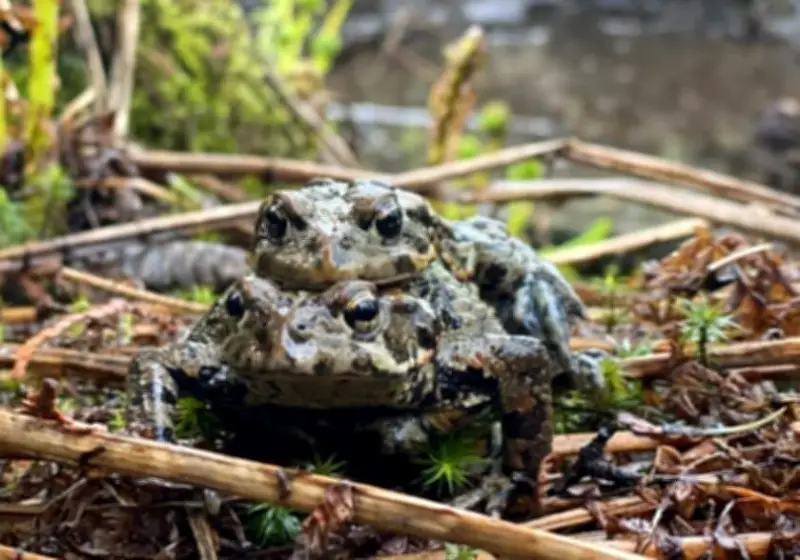
Frogs, along with other amphibians and reptiles, are being relocated as part of construction projects, but no one is checking on their survival rates, according to a new study from the University of British Columbia. The research highlights a critical gap in conservation practices, where animals are moved from development sites without follow-up assessments to determine if they survive in their new habitats.
The study, published by UBC researchers, emphasizes the need for standardized monitoring protocols to ensure that relocation efforts are effective. Without such data, it is impossible to know whether these measures contribute to species preservation or merely displace the problem.
Lead author Dr. Megan Winand stated, "We are essentially moving animals without knowing if they live or die. This is a significant oversight in wildlife management." The study reviewed numerous relocation projects across Canada and found that survival rates were rarely tracked, making it difficult to assess the impact on local ecosystems.

Amphibians like frogs are particularly vulnerable due to their sensitive skin and specific habitat requirements. Construction activities often destroy wetlands and other critical habitats, forcing wildlife into areas that may not support their needs. The researchers recommend that project developers be required to fund post-relocation monitoring and that government agencies enforce these conditions.
The findings come as urban development continues to expand, with many cities approving new housing and infrastructure projects in ecologically sensitive areas. Conservation groups have long called for stronger protections, and this study adds scientific weight to those demands.
In response, some municipalities are considering updated guidelines that would mandate tracking for all relocated species. However, the researchers argue that federal and provincial policies are needed to ensure consistent standards nationwide.
The study also notes that public awareness and citizen science initiatives could play a role in monitoring relocated populations. By engaging local communities, researchers hope to gather more data on survival and adaptation over time.
Overall, the UBC study serves as a wake-up call for policymakers and developers alike, urging them to prioritize the long-term well-being of amphibians and reptiles in construction planning.