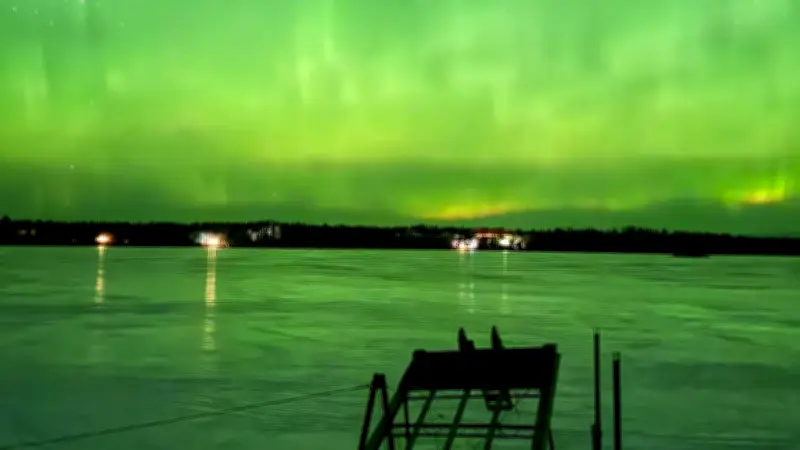
A powerful solar storm is heading toward Earth, promising to illuminate Canadian skies with dazzling displays of the northern lights. The aurora borealis, typically visible in high-latitude regions, could be seen much farther south than usual, offering a rare treat for skywatchers across the country.
What Causes the Northern Lights?
The northern lights occur when charged particles from the sun interact with Earth's magnetic field and atmosphere. This solar storm, caused by a coronal mass ejection (CME), is expected to enhance the aurora's intensity and reach. According to space weather experts, the storm is classified as strong, which could lead to vivid green, purple, and red lights dancing across the night sky.
Where and When to Watch
Canadians from British Columbia to Newfoundland may have a chance to see the lights, especially in areas with clear skies and minimal light pollution. The best viewing times are typically between 10 p.m. and 2 a.m. local time. Urban dwellers are advised to head to darker locations for optimal visibility.

Meteorologists note that weather conditions will play a key role. Cloud cover could obscure the view in some regions, while clear skies will enhance the experience. The storm is expected to peak over the next few nights, so multiple opportunities exist for viewing.
Potential Impacts
While the aurora is a visual delight, strong solar storms can also disrupt technology. Power grids, satellite communications, and GPS systems may experience minor interference. However, officials say the storm is not expected to cause significant damage.
Enthusiasts are encouraged to capture the moment with cameras, using long exposures to best capture the colors. For those unable to see it in person, live streams from observatories will be available online.
This event serves as a reminder of the sun's powerful influence on our planet and the beauty it can produce. Whether you're a seasoned aurora chaser or a first-time viewer, the coming nights promise a celestial show not to be missed.